Compared the Lancet Countdown official report summary with WHO’s October 28 update and AFP reporting. Mortality figures are the researchers’ estimates, not independently calculated here. The call for emergency recognition is a recommendation, not a new WHO emergency declaration.
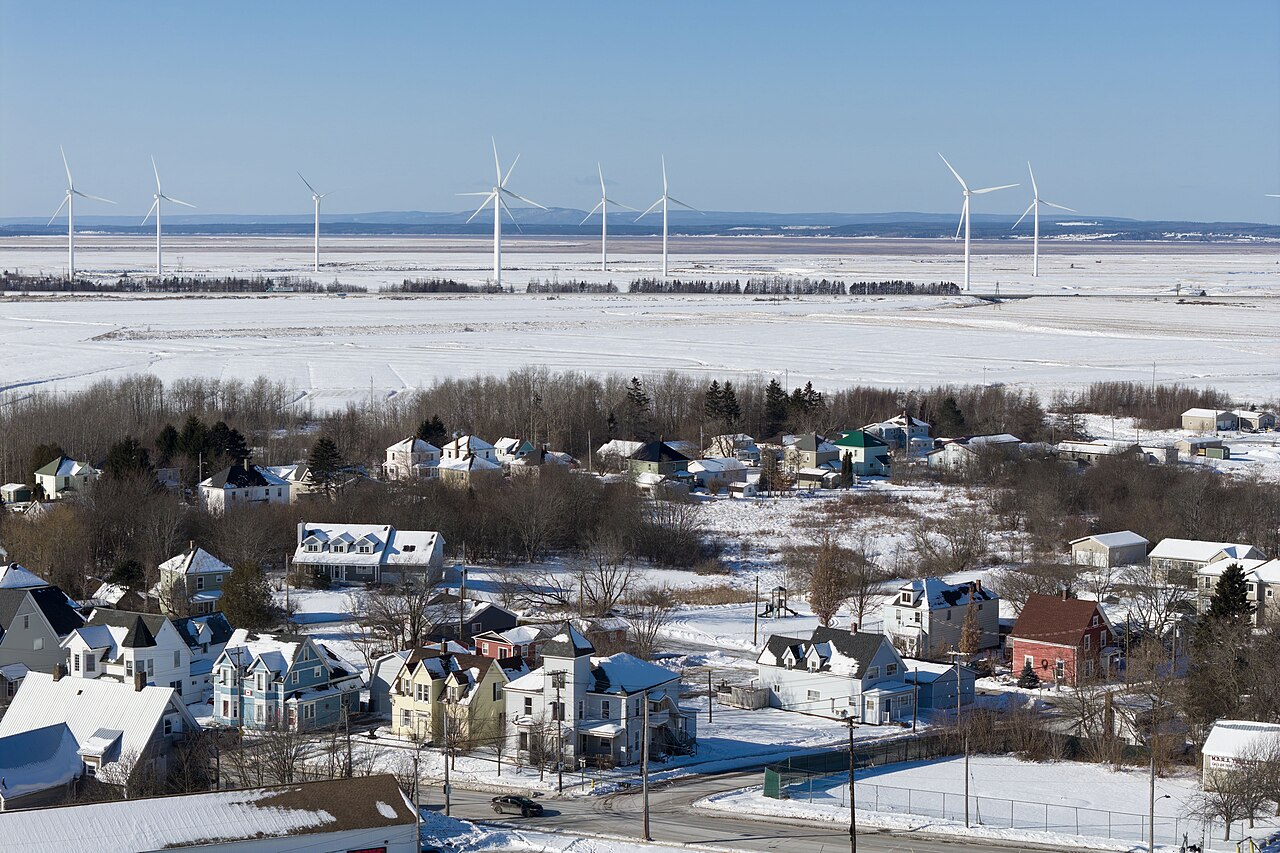
Updated : Updated October 30, 2026: added a separately licensed archive photograph of a Canadian wind farm to illustrate the clean-energy context. The original publication date and URL are unchanged.
A widening gap between harm and protection
Health damage from climate change is growing faster than the measures intended to protect people, the 2026 Lancet Countdown assessment warned on October 28, calling for governments to treat the issue as a global health emergency.
The annual assessment tracks 54 indicators linking climate and health. Its authors argue that stronger health services, early warnings and cleaner energy must advance alongside cuts in greenhouse-gas emissions. The appeal seeks a policy response; it is not an announcement of a new emergency declaration by the World Health Organization.
Heat deaths remain a central warning
The researchers estimated that heat was associated with 710,000 deaths worldwide in 2023, with more than 70% attributable to human-caused climate change. WHO and AFP both reported those figures. They describe a historical estimate in the new assessment, not deaths recorded in 2026.
WHO’s summary also identifies worsening drought and exposure to water-related extremes as growing threats. These pressures extend the health challenge beyond a single heatwave or disaster, requiring preparation across health systems.
Cleaner energy brings measurable gains
The report also finds progress. Global clean-energy investment reached $2.1 trillion in 2025. AFP reported the researchers’ estimate that falling fossil-fuel air pollution had prevented roughly 323,000 deaths in at least 77 countries since 2016.
Yet the report’s authors say those gains are too slow and uneven to offset rising harm. Their recommendations put health into decisions about emissions, adaptation and funding, with early-warning systems and more resilient care among the practical priorities.
Sources
3 references
- Lancet Countdown2026 global report: official summaryPrimary report summary · 2026-10-28
- World Health OrganizationClimate change is a growing health emergencyReport collaborator’s assessment · 2026-10-28
- AFP via Medical XpressClimate change must be declared global health emergency: Lancet studyIndependent agency reporting · 2026-10-28