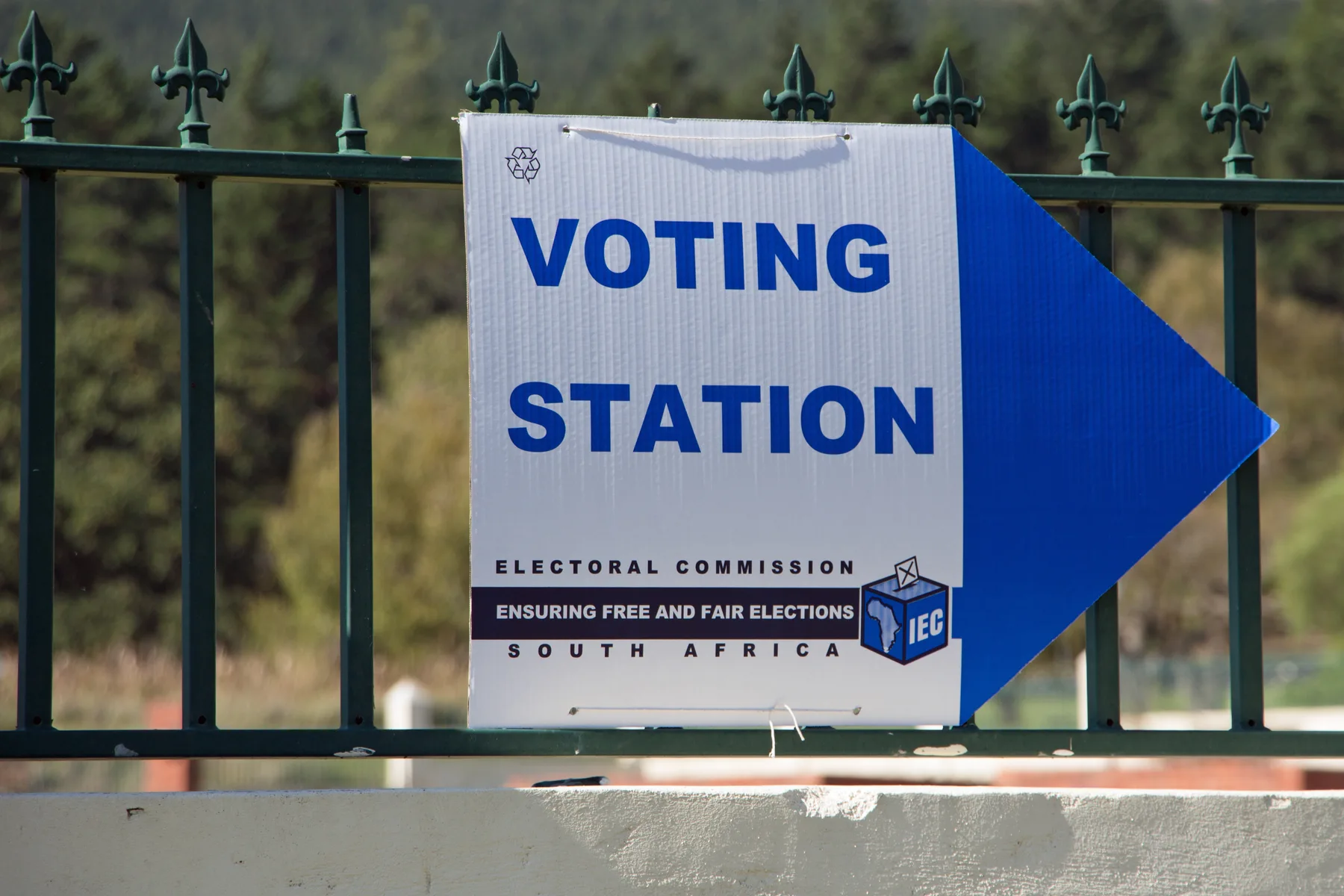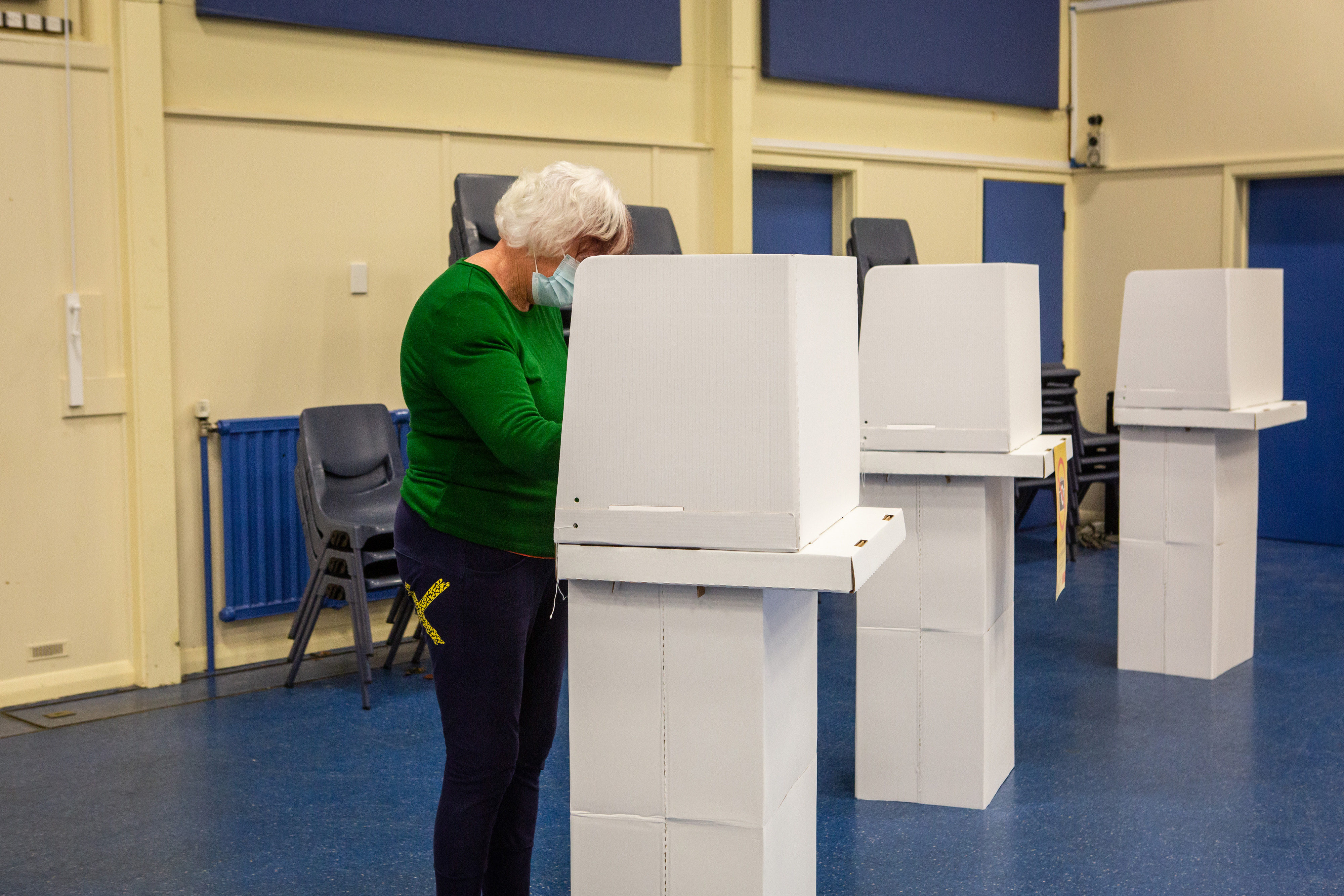
The Electoral Commission’s table records 913,762 advance votes through Nov. 1 and says its daily figures are collected informally, exclude overseas votes, may change and may not match official results. The comparable 2023 tally is 712,192, calculated from the Commission’s seven equivalent-day entries; the approximately 28% increase is also reported by Reuters. The Commission’s calendar sets election day for Nov. 7. The lead is an unchanged Electoral Commission photograph of an elector voting in the June 2022 Tauranga by-election, used under CC BY-ND 3.0; it is archive context, not an image of the 2026 general election. The inline image shows a New Zealand overseas voting location in Melbourne on Oct. 27, 2026, photographed by Alison Newman and licensed CC BY-SA 4.0; overseas votes are excluded from the Commission’s domestic tally. It was proportionally resized from 6,000 × 4,000 to 1,600 × 1,067, metadata stripped and re-encoded as progressive JPEG quality 84; no cropping or content retouching. The derivative is shared under CC BY-SA 4.0.
More than 913,000 advance votes recorded
New Zealand voters cast 913,762 advance votes between Oct. 26 and Nov. 1, the Electoral Commission said in figures released Monday. The total is about 28% higher than the 712,192 advance votes recorded over the equivalent seven days before the 2023 election.
The Commission’s daily table shows 192,663 votes on Oct. 31, the busiest day so far, followed by 132,912 on Nov. 1. Reuters also reported the first-week total and the year-on-year comparison.
Election day is Saturday
Advance voting opened Oct. 26. The general election is scheduled for Saturday, Nov. 7, when voting places are due to open from 9 a.m. to 7 p.m. local time, according to the Electoral Commission.
The high early-voting count means many people have already voted before election day, but it does not indicate how they voted or establish which party is likely to win. The Commission’s timetable leaves several more days for advance voting.

The tally is provisional and excludes overseas votes
The Commission says its daily figures are gathered informally from voting places, do not include overseas votes and may change. It cautions that the running totals may not match the official results.
The 28% comparison therefore describes advance ballots recorded at this stage of the process, not the final turnout or outcome. Overseas voting began on Oct. 21 and is not part of the count reported here.
Sources
3 references
- ReutersNew Zealand early voting surges ahead of November 7 electionReports the Electoral Commission’s first-week advance-voting total and its 28% increase over the equivalent period in 2023, and outlines the remaining voting schedule. · 2026-11-02
- Electoral Commission of New Zealand2026 General Election voting statisticsPrimary daily and cumulative advance-voting figures, equivalent-day comparisons and the Commission’s caveat that the data are informal, exclude overseas votes and may change. · 2026-11-02
- Electoral Commission of New ZealandKey dates for 2026 General ElectionPrimary calendar confirming advance voting began Oct. 26 and election day is Nov. 7. · 2026-01-21