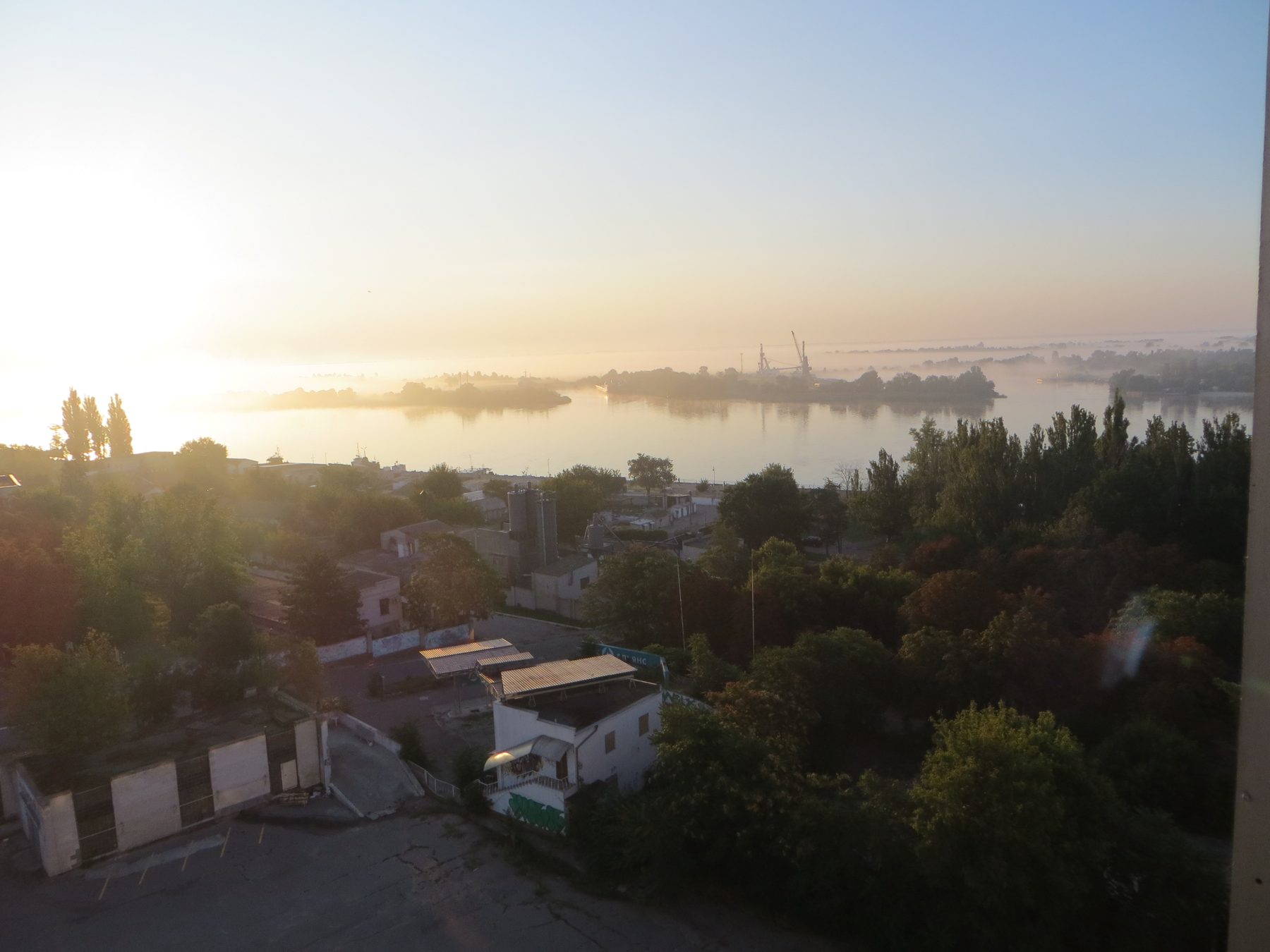
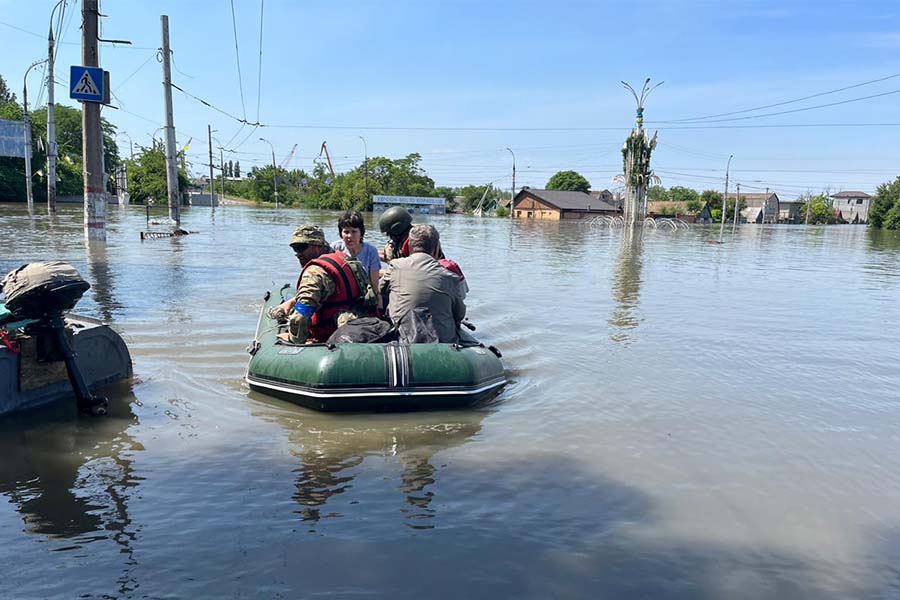
Reuters reported the local pause ended at 21:00 GMT on Nov. 1 and read statements by Kremlin spokesman Dmitry Peskov, Ukraine’s General Staff and Ombudsman Dmytro Lubinets. The allegations about Russian troop rotation, fortification and logistics are Kyiv’s account, not independently verified here. Peskov said he assumed Ukrainian forces also regrouped and said he had no specific information about Russian forces; that is not evidence of a violation by either side. Lubinets said both parties had met their commitments during the pause. AP’s field report and the Kherson regional administration reported 180 evacuations from Ukrainian-held riverside communities and Kherson city, including 23 children; those figures do not describe evacuees from Oleshky itself. The photographs are dated regional context only: the Dnipro at Kherson in 2017 and a National Guard evacuation during the June 2023 Kakhovka flood response, not images of the 2026 truce.
A local pause expires after six days
A six-day humanitarian ceasefire around Oleshky in Ukraine’s occupied Kherson region expired at 21:00 GMT on Nov. 1, Reuters reported. The pause had been intended to allow humanitarian aid and civilian evacuations in communities along the Dnipro River.
The window offered some residents a chance to move through an area otherwise exposed to fighting. The Ukrainian ombudsman’s office described a humanitarian mission in Oleshky on Oct. 30 and urged that assistance reach residents.
Evacuations show the stakes beyond the frontline
The Kherson regional administration said 180 people, including 23 children, were evacuated from riverside communities under Ukrainian control and from Kherson city during the period, according to the Associated Press. That count is not an estimate of how many people left Oleshky, which is on the Russian-occupied side.
AP reporters who reached Kozatske described residents returning from hiding after the temporary pause. The report documented the civilian effect of reduced fighting along the river, while the conditions for people still in occupied settlements remain difficult to assess independently.
Kyiv alleges military gains; Moscow offers an assumption
Ukraine’s General Staff said Russian units rotated personnel, reinforced positions, expanded anti-drone measures and increased logistics, including ammunition, during the pause. Those claims were reported by Reuters but could not be independently verified in the reporting reviewed for this article.
Kremlin spokesman Dmitry Peskov said he assumed Ukrainian troops also used the pause to regroup, describing that as normal practice. He said he had no specific information about Russian forces. Ukraine’s ombudsman said both sides had met their commitments during the ceasefire, a statement about observance that does not resolve the separate allegation that Russian forces improved positions during the lull.
The distinction matters: an evacuation pause can reduce immediate danger without ending the wider war or producing agreement on how troops used the time. Moscow said it had no plans for another similar local ceasefire, Reuters reported.
Sources
3 references
- ReutersKremlin says it assumes Ukrainian army used Oleshky ceasefire to regroup on frontlineSame-day reporting on the truce’s expiry and attributed statements from the Kremlin, Ukraine’s General Staff and the Ukrainian ombudsman. · 2026-11-02
- Associated PressUkraine’s Kherson residents emerge from hiding during temporary ceasefireFirsthand field reporting from Kozatske and reporting on evacuations from Ukrainian-held communities along the Dnipro. · 2026-11-02
- Parliament Commissioner for Human Rights of UkraineHumanitarian mission in Oleshky: assistance must reach every personOfficial account of the Oleshky humanitarian mission and the need to deliver assistance to residents. · 2026-10-30