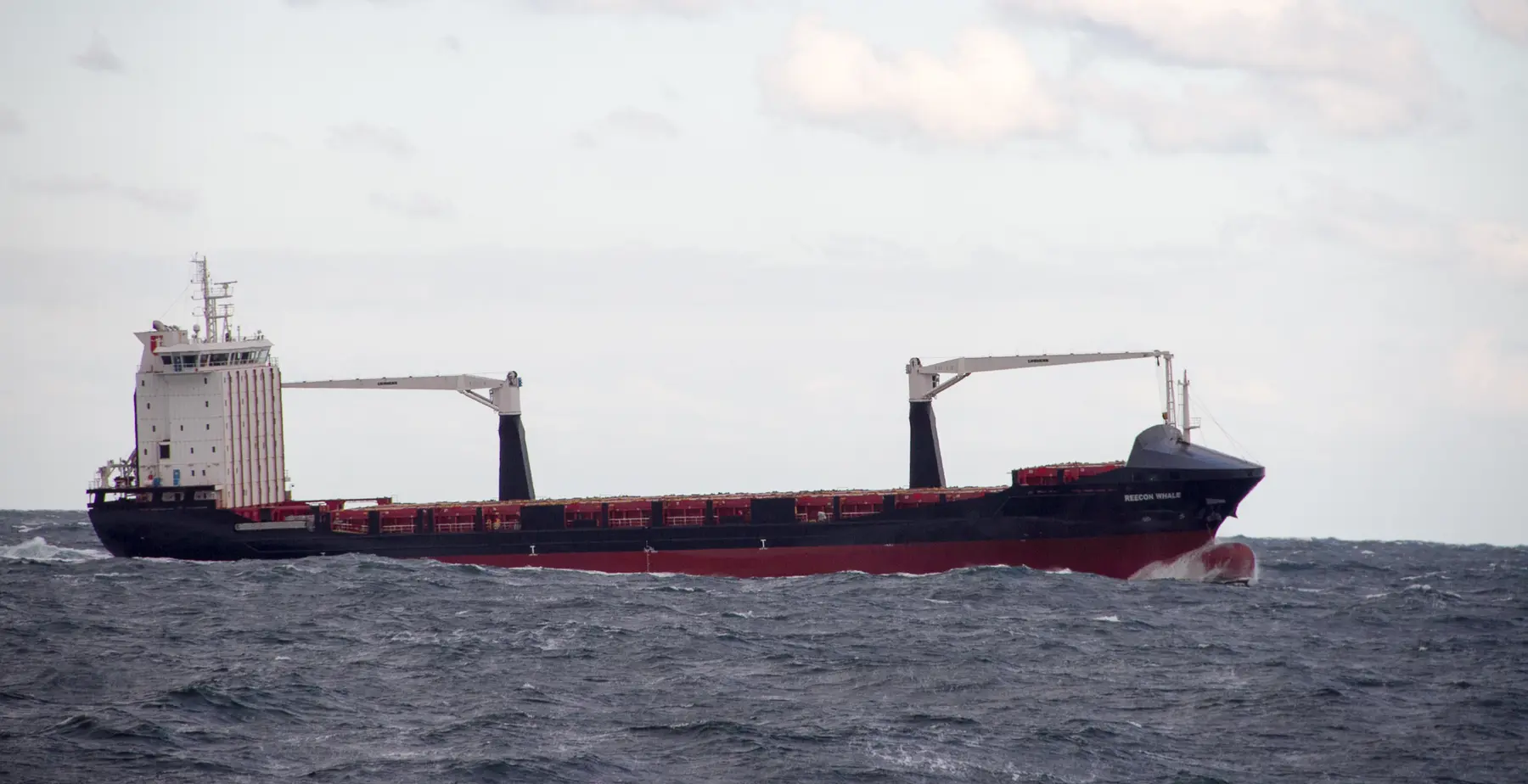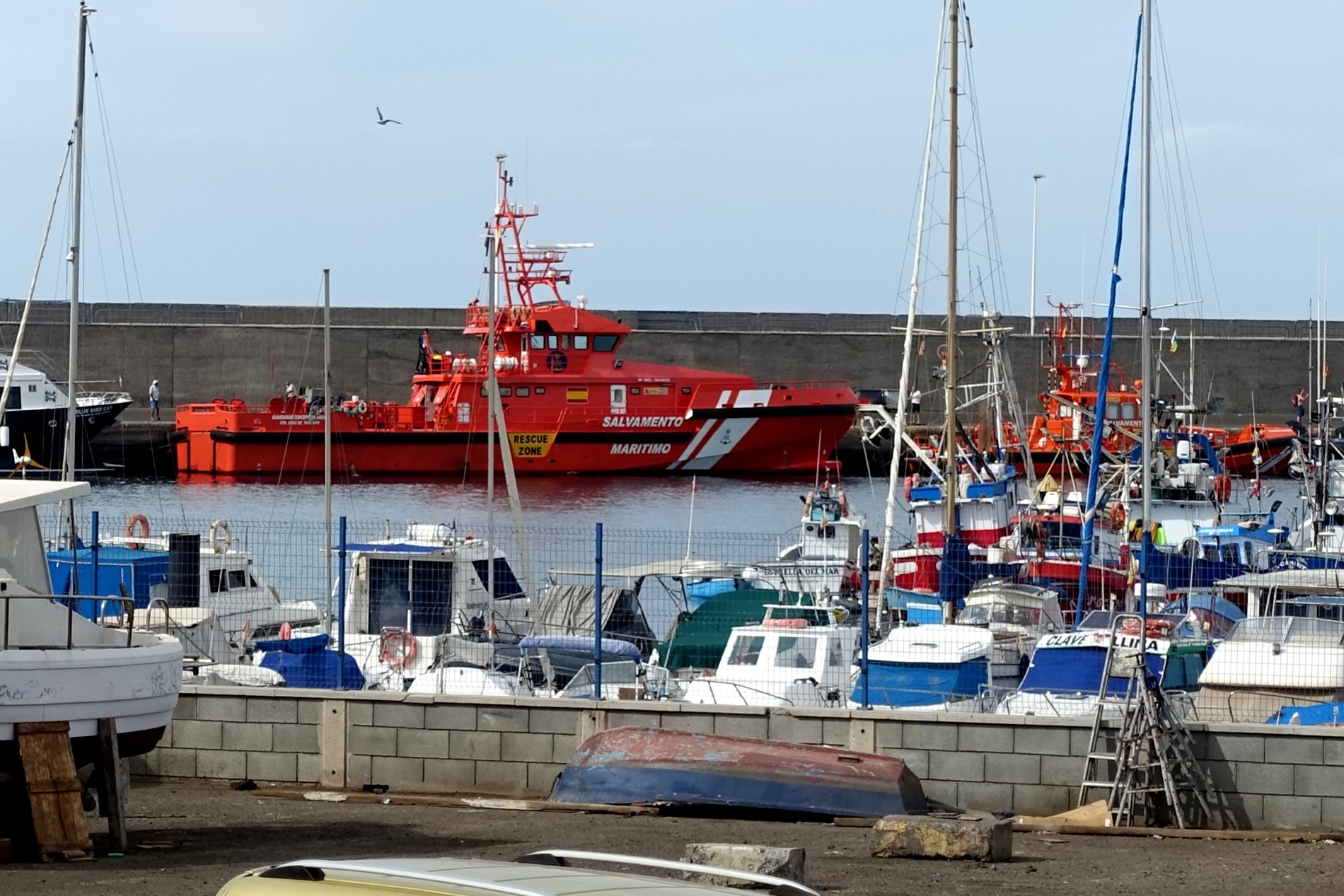
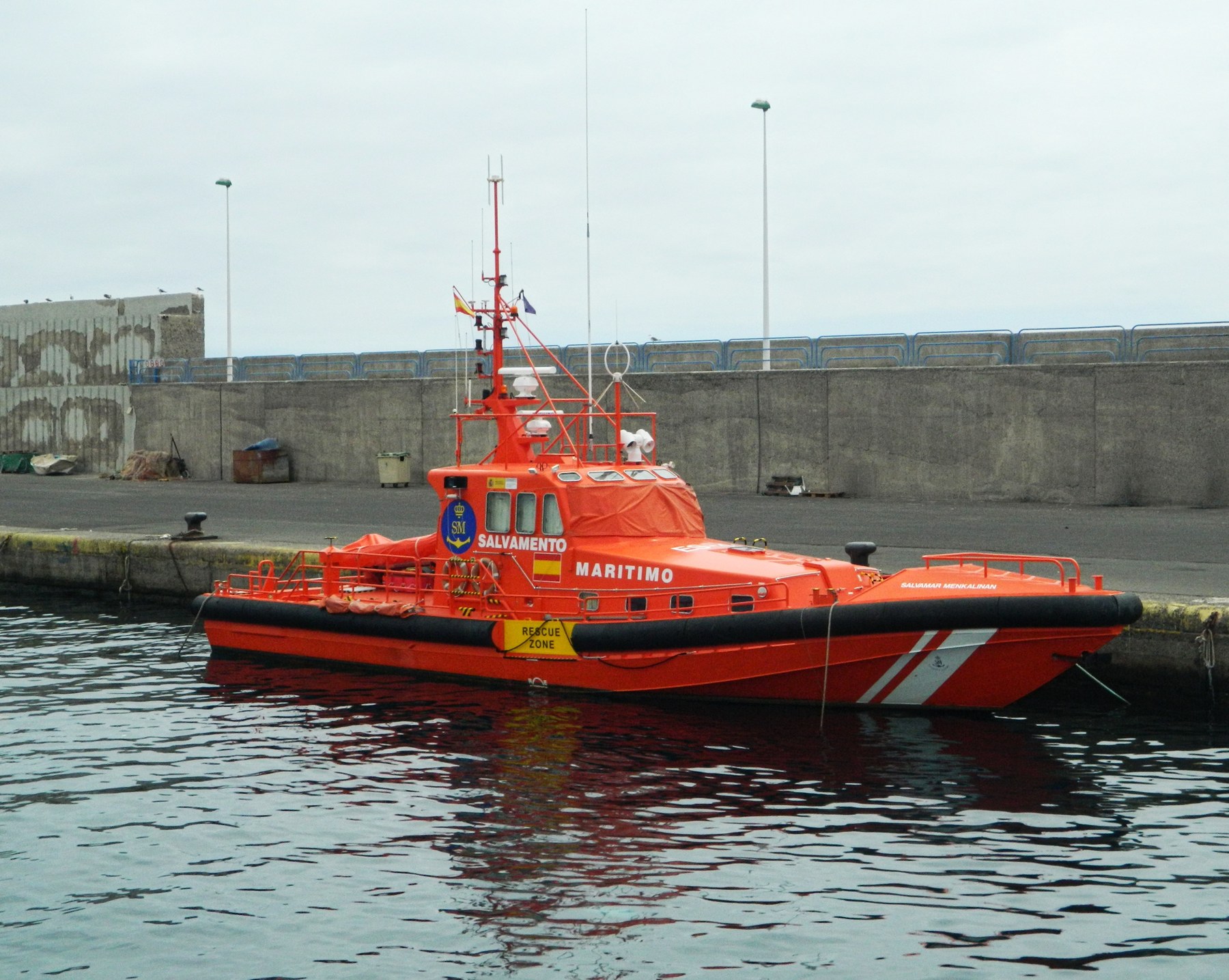
Reuters and Spain’s EFE news agency independently reported the Nov. 2 rescue and seven deaths, citing maritime rescue authorities. EFE reported that 132 people survived aboard a craft initially carrying 139; it attributed the account that five bodies were put overboard to survivors. Authorities had recovered two bodies aboard, and the circumstances around the five other deaths were not established in the reporting reviewed. Current-event images published by agencies were not reused because their reproduction terms were not secured. Both photographs here are dated archive context from Arguineguín, Gran Canaria: Dec. 6, 2021, and Aug. 17, 2012. Neither shows the Nov. 2 boat or rescue. The images were resized proportionally and re-encoded without cropping; credits and licenses are linked below each image.
Seven deaths reported after the Lanzarote rescue
At least seven people died aboard an inflatable boat rescued about 150 kilometres northeast of Arrecife, Lanzarote, on Monday, Spanish maritime rescue authorities said. The Guardamar Urania brought 132 survivors to the island, according to EFE; the craft had initially carried 139 people.
Reuters also reported the seven deaths and said the rescue was part of a wider day of operations in which more than 380 people were brought ashore across the Canary Islands. The reports describe one of the Atlantic crossings from West Africa toward Spanish territory, a route marked by long distances and exposed sea conditions.
What survivors said about the other five people
Two bodies were found aboard the inflatable. EFE, citing maritime rescue sources, reported that survivors said five other people had died during the voyage and their bodies were put into the Atlantic. The accounts available Monday did not establish the circumstances of those deaths or independently confirm what happened to the five bodies.
The boat’s exact departure point and the cause of death were not reported by the sources reviewed. The seven-person toll combines the two bodies recovered with the five deaths described by survivors.
A dangerous route despite lower arrivals overall
The Canary Islands route remains among the world’s deadliest migration crossings, Reuters reported, as people travel in crowded boats across the Atlantic. Rescue and arrival numbers can move quickly as more boats are located; the separate figures in Monday’s reports reflect different snapshots of an unfolding day.
Reuters said arrivals in the archipelago were down 18% year on year to 11,527 so far in 2026, while crossings rose sharply in October and added pressure to reception and emergency services, particularly on smaller islands. A lower overall arrival count does not make an individual crossing safer.
Sources
4 references
- ReutersSeven migrants die in seas off Spain's Canary IslandsReported the rescue about 150 km off Lanzarote, seven deaths, more than 380 rescues across Monday and official year-to-date arrival figures. · 2026-11-02
- Agencia EFEAt least seven people die aboard boat bound for LanzaroteCiting maritime rescue service sources, reported 139 people aboard, 132 survivors, two bodies recovered and the survivors’ account about five others. · 2026-11-02
- Wikimedia Commons — image source and licenseArguineguin Grande Canarie (2) 05.jpg by Cécile Patry-Morel — CC BY-SA 4.0Dated archive-context photograph from Arguineguín, Gran Canaria; the photographer’s CC BY-SA 4.0 license was verified on the file page. · 2021-12-06
- Wikimedia Commons — image source and licenseSalvamento Maritimo - panoramio.jpg by hh oldman — CC BY 3.0Dated archive-context photograph of a Salvamento Marítimo vessel at Arguineguín; CC BY 3.0 license and attribution were verified on the file page. · 2012-08-17