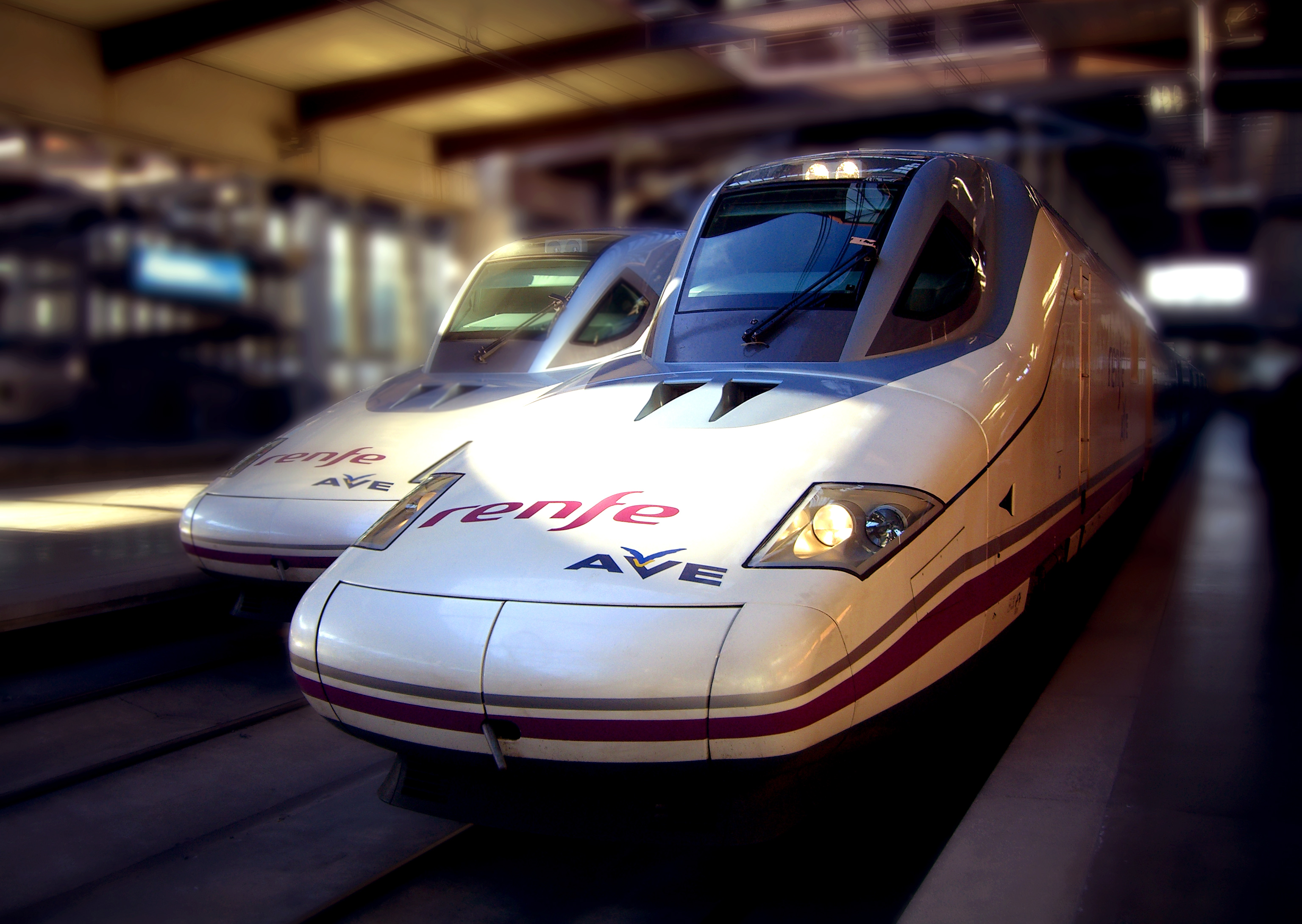
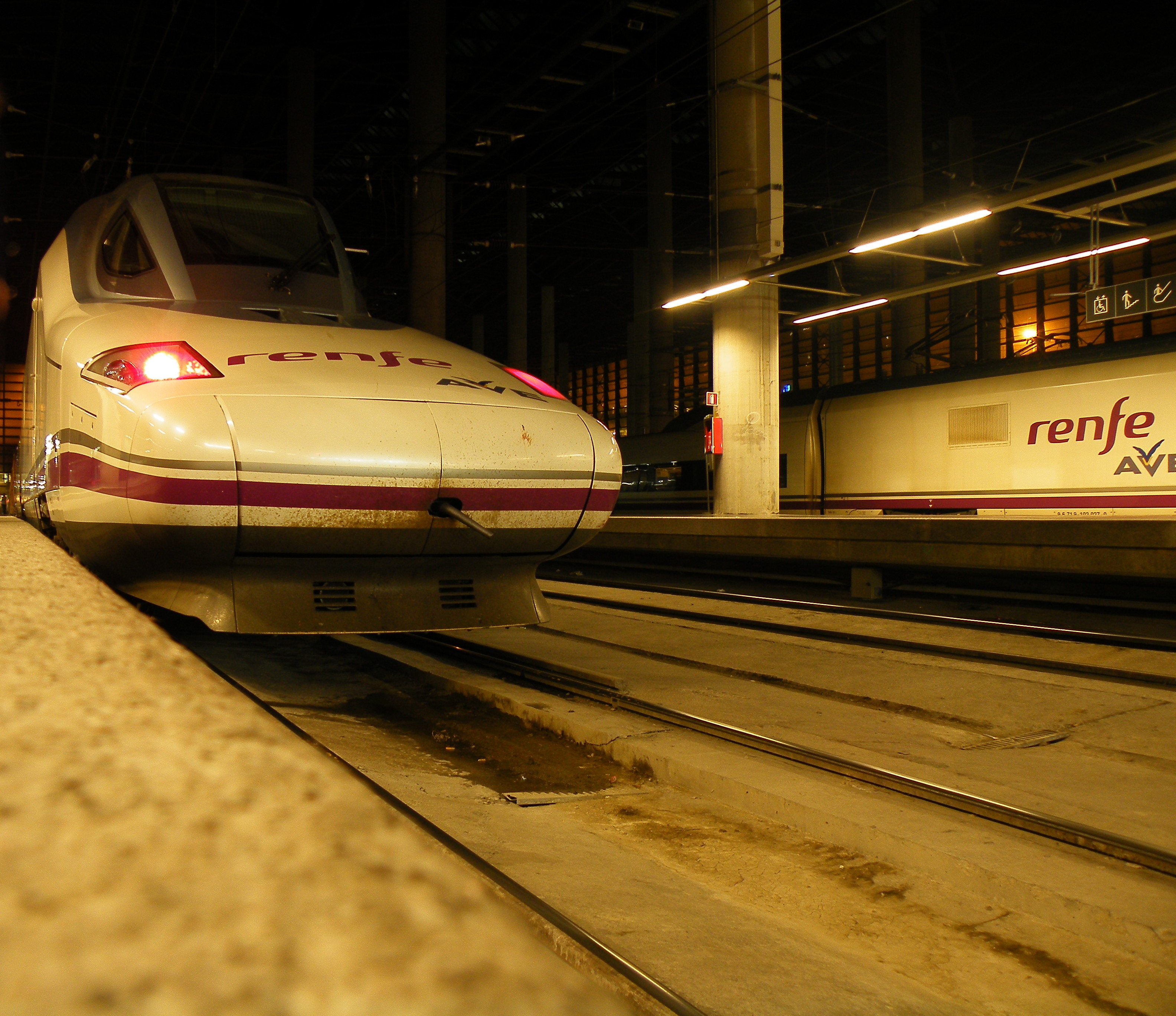
Checked AITAT’s first 24-hour information note, published October 29, through Euronews’ detailed account because the ministry-hosted PDF returned HTTP 403. AP and Reuters independently reported on the crash and investigation; the speed estimate and casualty figures remain preliminary. Both images are dated archive context photographs of Renfe AVE trains, not the Urda collision.
A preliminary estimate, not a final explanation
Spain’s independent rail-accident investigator estimates that a Renfe AVE train hit a stationary Iryo service at between 160 and 200 kilometres per hour near Urda. The range appears in a first information note published on Thursday, October 29, after the opening 24 hours of the inquiry.
The note describes a chain of failures, instructions and actions that ended in the collision, but it does not assign final responsibility. AITAT says the exact speed will not be known until investigators download and examine the train recorders. All hypotheses about causes and contributing factors remain open.
The safety system failed before the collision
According to AITAT’s account, the LZB train-protection system failed at 8:31 a.m. on Wednesday, October 28. LZB tracks train positions and can trigger automatic braking. The failure forced traffic to be managed under a degraded procedure across a 63-kilometre stretch, leaving controllers and drivers to coordinate movements through instructions.
The Iryo train, carrying passengers toward Seville, stopped at a signal near Urda. The report says the Renfe train later received instructions to resume its journey while the Iryo remained stopped. The impact followed at about 8:53 a.m. The investigation is still examining how those instructions were handled and why the safeguards did not prevent the collision.
Investigators are still gathering evidence
The first note recorded 69 deaths and more than 200 people injured, figures it said were provisional. Reuters reported on Friday that authorities were still identifying victims and could not rule out further fatalities.
The crash has revived questions about the Madrid–Seville high-speed line and its safety systems. The same route was the scene of another fatal collision in January, which killed 46 people, according to AP. That history makes the inquiry’s findings consequential well beyond Urda, but the preliminary note is not a final accident report or a ruling on individual fault.
Sources
4 references
- AITAT / Spain Ministry of TransportInformation note on the Urda accident investigation: information available after the first 24 hoursOfficial preliminary investigation note; ministry-hosted PDF returned HTTP 403, and its findings were checked through Euronews’ detailed report · 2026-10-29
- Associated PressSpain’s latest deadly train crash puts human error and systemic failure under scrutinyIndependent reporting on the crash timeline, LZB failure, investigation and rail-safety context · 2026-10-30
- EuronewsSpain’s Urda crash probe points to a chain of failures: what is known and what remains unclearIndependent detailed reporting that quotes and links the AITAT preliminary note · 2026-10-30
- ReutersSpanish minister refuses to resign over second major train crash on his watchIndependent reporting on the ongoing probe, victim identification and rail-safety questions · 2026-10-30