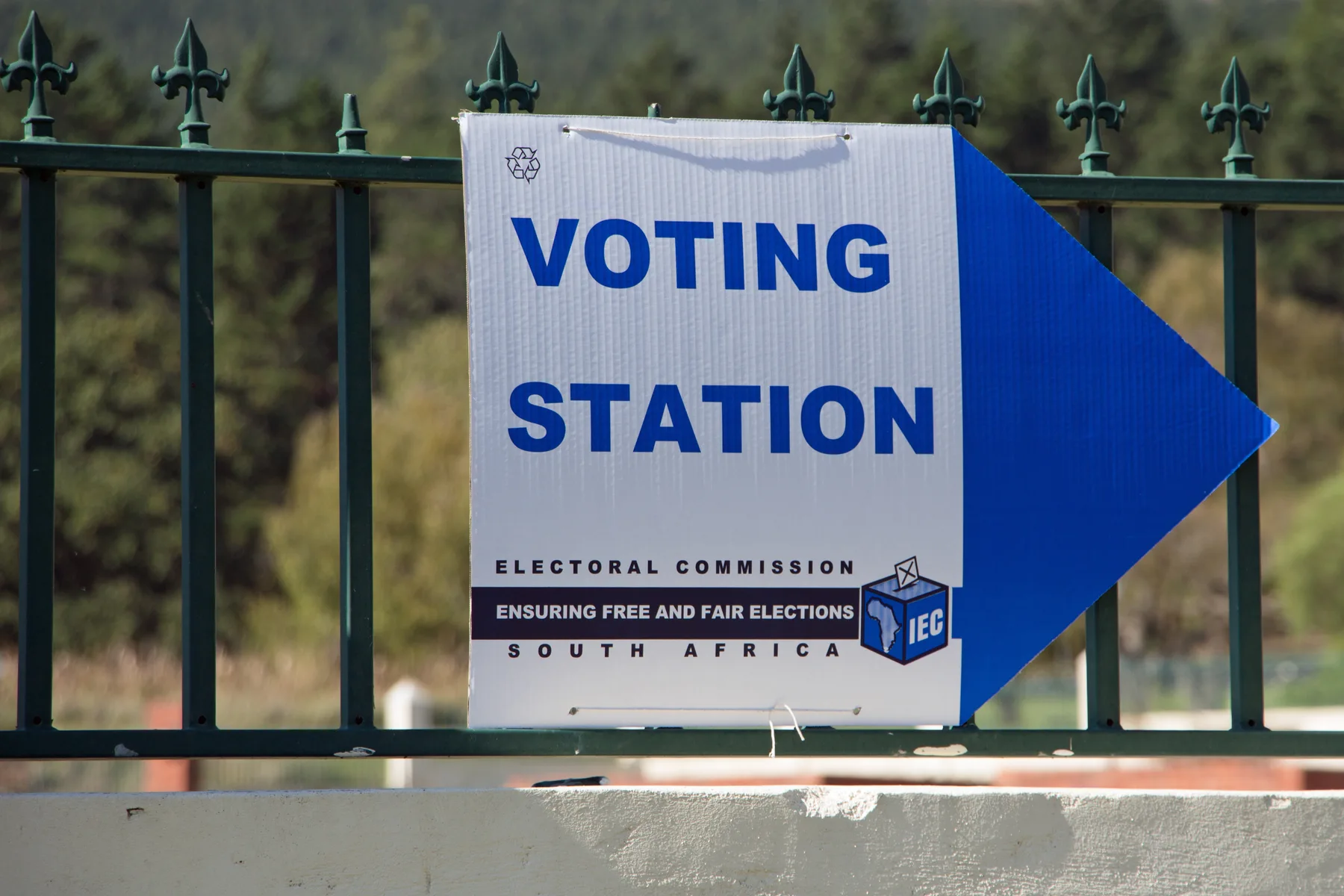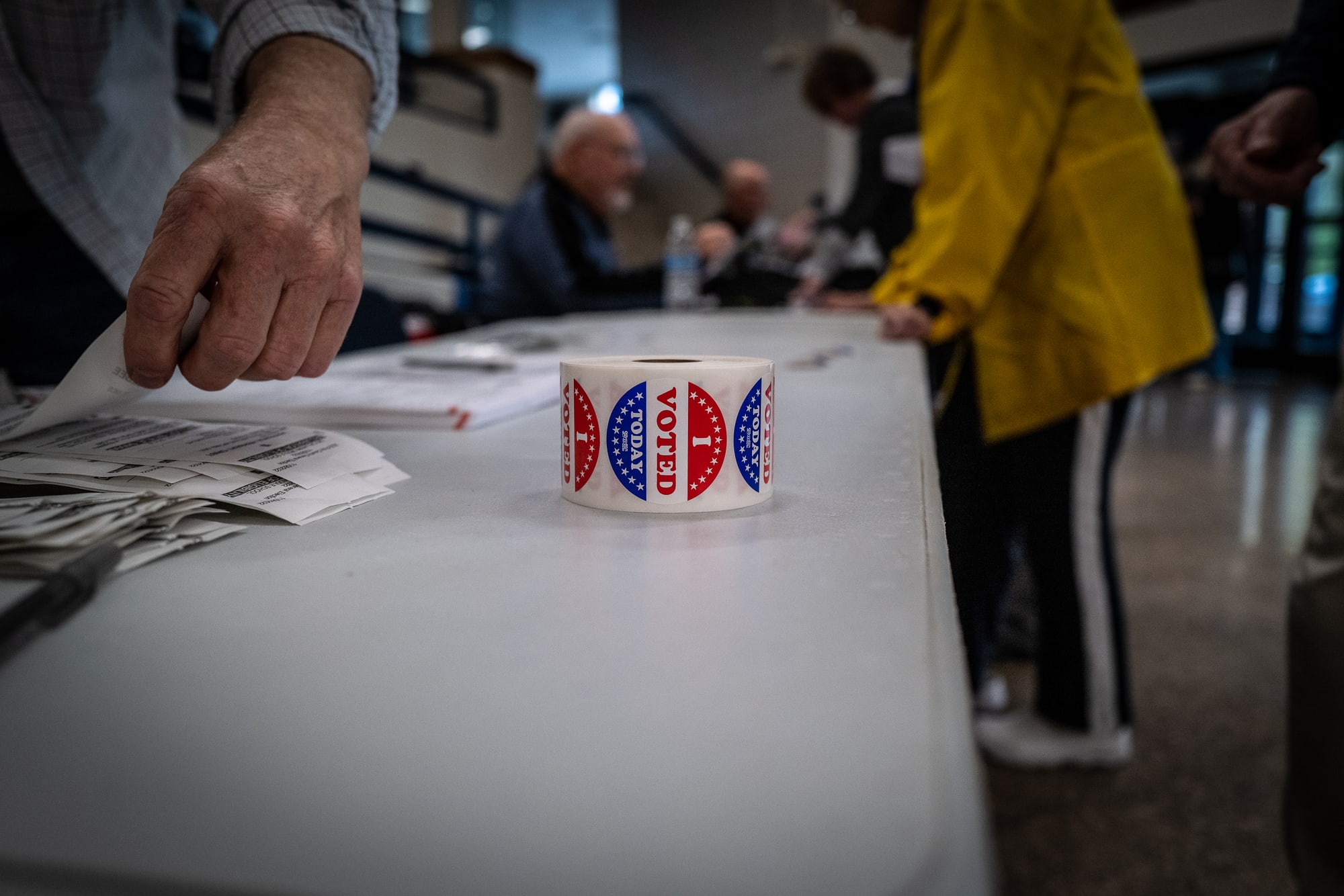
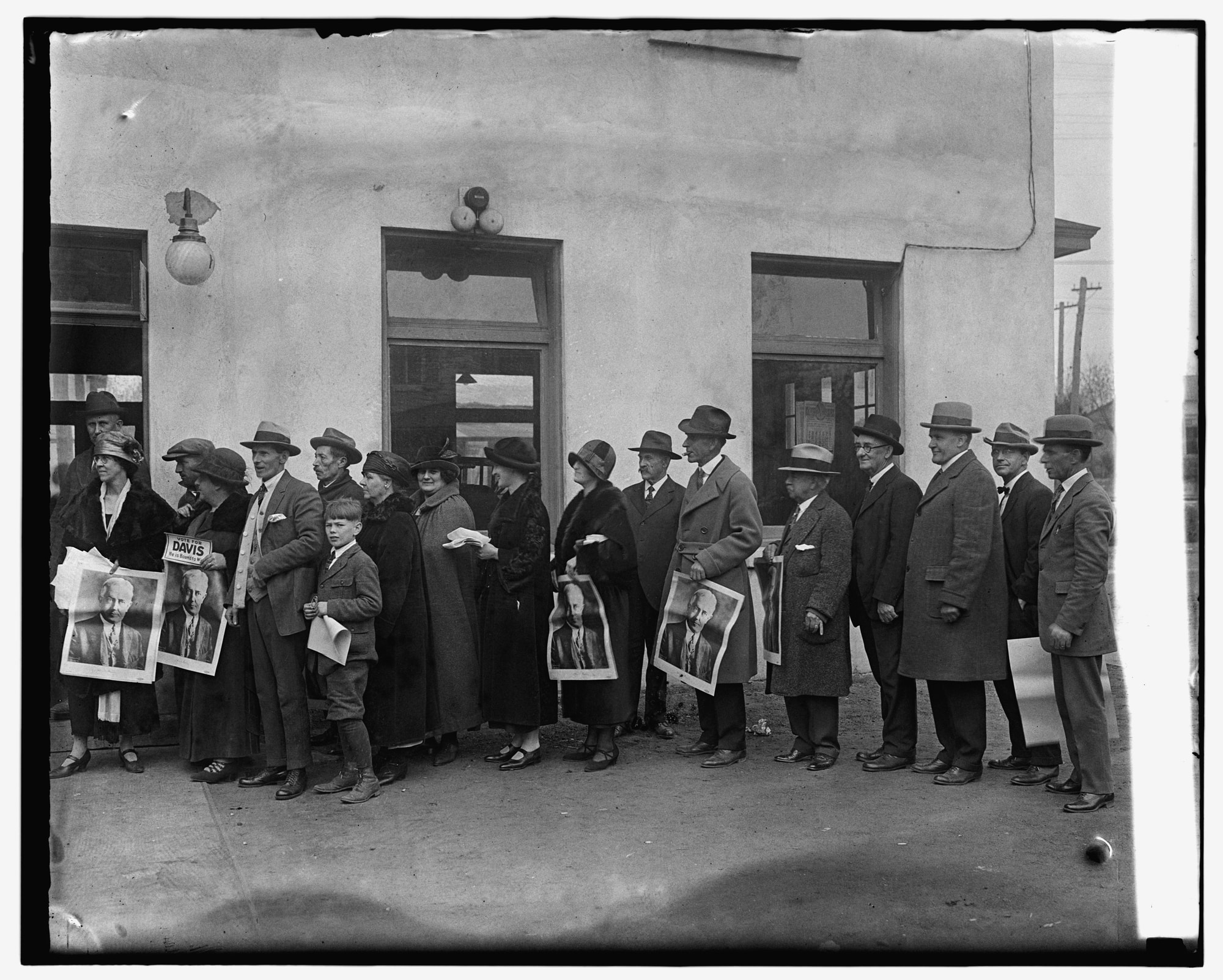
The Supreme Court docket confirms that on Nov. 2 it denied the United States’ emergency application without a written explanation. The Ninth Circuit’s Oct. 30 opinion records that the federal request concerned a list of about 20,000 people and explains the court’s reasons for denying emergency relief at that stage. AP independently reported the Supreme Court’s action and the election-day context. The order does not determine the citizenship or eligibility of any named voter and does not resolve the case’s full merits. The lead and inline photographs are licensed archival context images dated Nov. 8, 2022, and 1924; neither depicts this 2026 dispute or current election. Image credits and reuse terms are linked.
An emergency request rejected before polls closed
The U.S. Supreme Court on Monday declined to order California to set aside about 20,000 mail ballots identified by the Trump administration as possibly belonging to noncitizens. The order leaves the ballots in the state’s ordinary election process as voting concludes Tuesday, Nov. 3.
The Court’s public docket shows it denied the federal government’s application for an injunction pending appeal. The justices gave no written explanation, and no dissent was recorded on the docket. The order addresses emergency relief, not the final merits of the dispute.
The underlying list remains disputed
The Justice Department asked the courts to pause the ballots while California and Los Angeles County verified the citizenship of people on a federal list. California officials questioned the list’s accuracy and said a last-minute separation process could disrupt ballot handling and affect eligible voters mistakenly included.
In an Oct. 30 opinion, the Ninth Circuit said the government had not shown that emergency relief was clearly required. The panel pointed to unresolved questions about how the list was compiled and potential disruption to election systems already in use. One judge dissented, arguing the federal request should be granted.
What the order does — and does not — settle
The Supreme Court’s brief docket entry does not verify the administration’s allegations about individual voters, nor does it declare that any particular ballot is eligible or ineligible. Noncitizens are barred from voting in federal elections, but the government’s claim that people on this list fell into that category remained contested in the litigation.
The immediate effect is procedural: the Supreme Court did not intervene before Election Day to require the ballots’ segregation. Further proceedings in the lower courts could address the broader legal dispute after the election.
Sources
4 references
- Supreme Court of the United StatesDocket: United States v. California, No. 26A624Primary docket records the emergency application and the Court’s denial on Nov. 2. · 2026-11-02
- U.S. Court of Appeals for the Ninth CircuitUnited States v. California, No. 26-7231Primary appellate opinion describes the requested relief, list of about 20,000 people, timing, evidence and election-administration concerns. · 2026-10-30
- Associated PressSupreme Court rejects Trump administration push to set aside thousands of California ballotsIndependent reporting on the Supreme Court action, Election Day timing, arguments by both sides and lower-court proceedings. · 2026-11-02
- OPB / Associated PressSupreme Court rejects Trump administration push to set aside thousands of California ballotsIndependent member-supported public media republishing AP’s account, including the Court’s lack of a written explanation and election context. · 2026-11-03