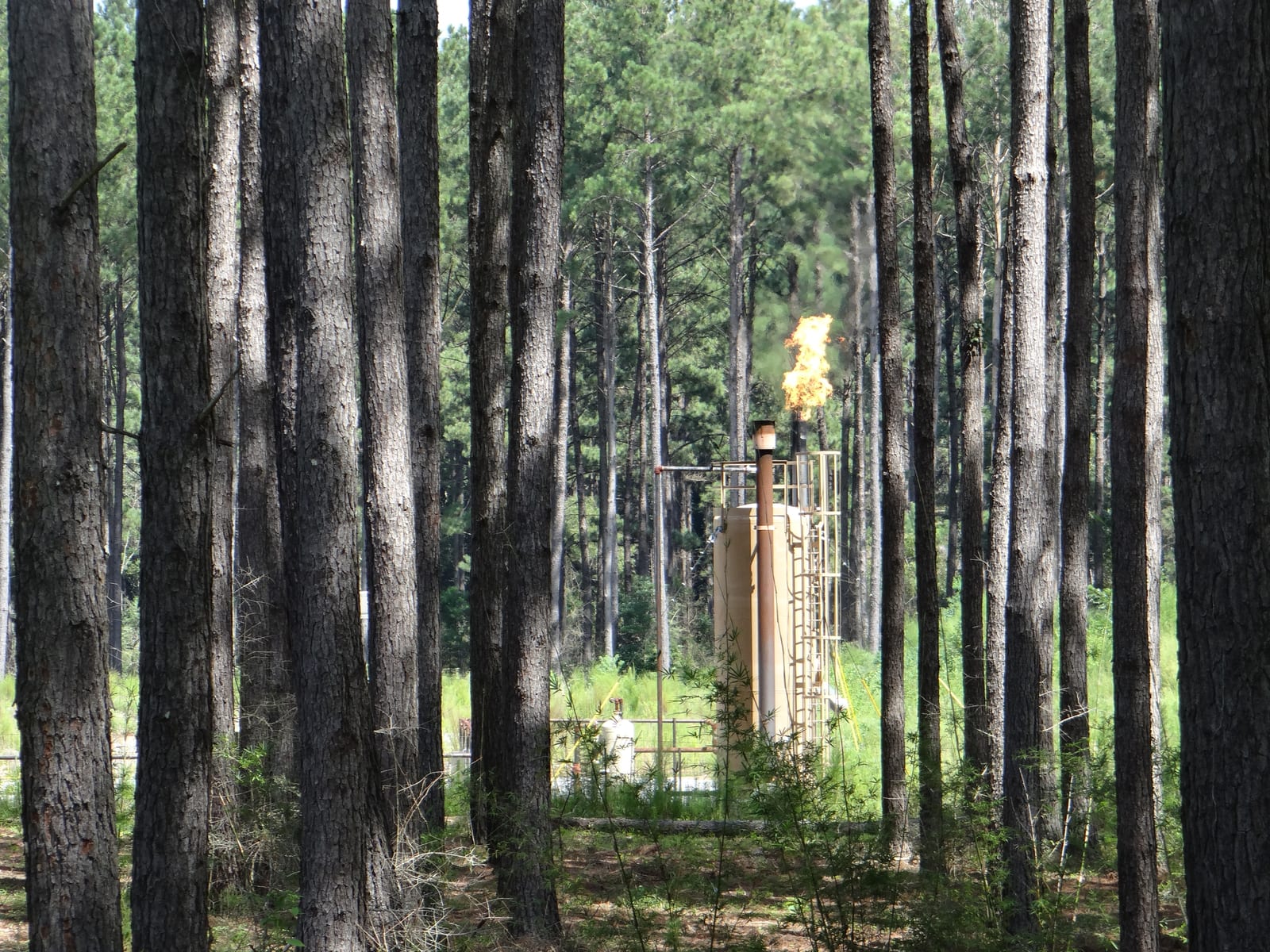
Checked EPA’s October 27 proposal and its stated 45-day comment process against Associated Press and Reuters reporting on the Lubbock announcement. The administration’s $45 billion savings and added-production figures are projections, not measured outcomes; the rule change is proposed, not in force. The two photographs are separately dated USGS public-domain archive images and do not show the announcement or the affected wells.
EPA has proposed a change, not put one into force
President Donald Trump and Environmental Protection Agency Administrator Lee Zeldin announced the proposal at a campaign rally in Lubbock, Texas, on October 27. It would revise the EPA’s 2024 Clean Air Act standards for new and existing oil and gas operations, including rules for leak inspections and repairs, smaller wells, flaring and third-party reporting of major methane releases.
The agency said it is proposing to rescind the Super Emitter Program, which accredits outside monitors to report very large leaks. EPA plans at least 45 days for public comments after the proposal appears in the Federal Register. Until the rulemaking is completed, the announcement itself does not replace the existing standards; some compliance deadlines had already been extended.
The administration’s savings figures are projections
EPA estimates its proposal would save consumers and businesses $45 billion and enable production of 210 million additional barrels of oil and 1.41 trillion cubic feet of natural gas. Those are the administration’s forecasts, not savings or production already recorded.
The 2024 rule it seeks to change was designed to cover existing wells as well as new ones and to require more monitoring and repair of leaks. The Associated Press reported that the Biden administration estimated the rule would prevent 52.6 million metric tonnes (58 million U.S. tons) of methane emissions by 2038 and produce $98 billion in benefits by 2034. EPA disputes the earlier cost estimates and says its proposed revisions would protect production at marginal wells.
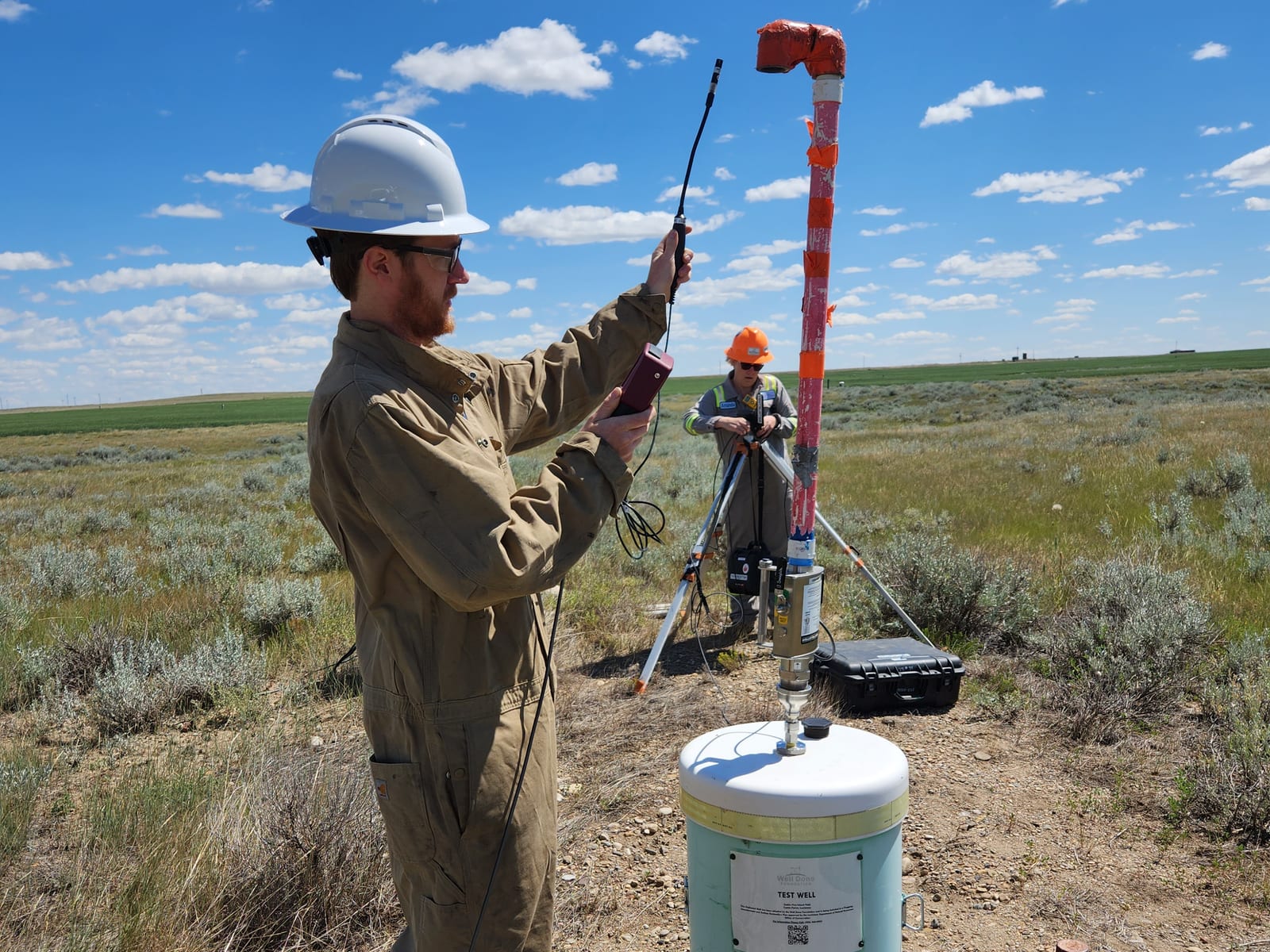
The debate turns on leaks, waste and climate effects
Methane is the main component of natural gas and traps substantially more heat than carbon dioxide over shorter periods. Oil and gas operations are a major industrial source, and capturing gas that would otherwise leak or be flared can preserve fuel as well as reduce emissions.
The proposal now enters a rulemaking process in which operators, states, researchers and public-health groups can submit evidence. Its final scope and timing will depend on EPA’s review of those comments; neither the agency’s projected savings nor critics’ warnings describe outcomes that have already occurred.
Sources
5 references
- U.S. Environmental Protection AgencyEPA proposes major new revisions to Biden-era oil and natural gas regulationsPrimary announcement; proposed changes, EPA’s projected costs and production, and the 45-day public-comment process · 2026-10-27
- Associated PressTrump says he’s ending restrictions on methane emissions from oil drillingIndependent reporting; announcement, prior rule’s stated emissions and health benefits, and environmental-group response · 2026-10-27
- ReutersTrump promotes oil production in Texas, where Democrats dream of breakthroughIndependent reporting; confirms EPA proposal and details on leak checks, repairs, flaring and small wells · 2026-10-27
- U.S. Geological SurveyNatural Gas FlareLead-image source; item identifies the archive photograph as public domain · 2014-09-03
- U.S. Geological SurveyUSGS scientist Karl Haase taking a methane reading from an orphan well in Toole County, MontanaInline-image source; item identifies the separate archive photograph as public domain · 2023-07-18