AP and Reuters reporting of Uganda’s October 25 briefing was compared with WHO’s October 23 outbreak update. The ministry’s full written directive was not retrieved; entry conditions are attributed to the reported announcement, and the Nigerian patient’s infection source remains under investigation.
A three-week requirement at travellers’ expense
Uganda announced on October 25 that its citizens returning after travel to the Democratic Republic of the Congo must undergo 21 days of quarantine at their own expense, as the government reinforces precautions against Ebola. AP and Reuters reported the measures from a briefing by Health Minister Chris Baryomunsi.
AP reported that nonessential Congolese arrivals would be sent back through the nearest crossing, also at their own expense. Uganda first introduced border restrictions in May, allowing essential journeys such as humanitarian work and truck transport subject to screening.
All people entering Uganda must complete a passenger locator form, and health screening has intensified at Entebbe airport and land crossings. AP said the checks include diplomats and United Nations personnel. The reported measures therefore distinguish between returning Ugandan citizens, who face quarantine, and nonessential Congolese travellers, who face return.
Investigators trace a cross-border infection
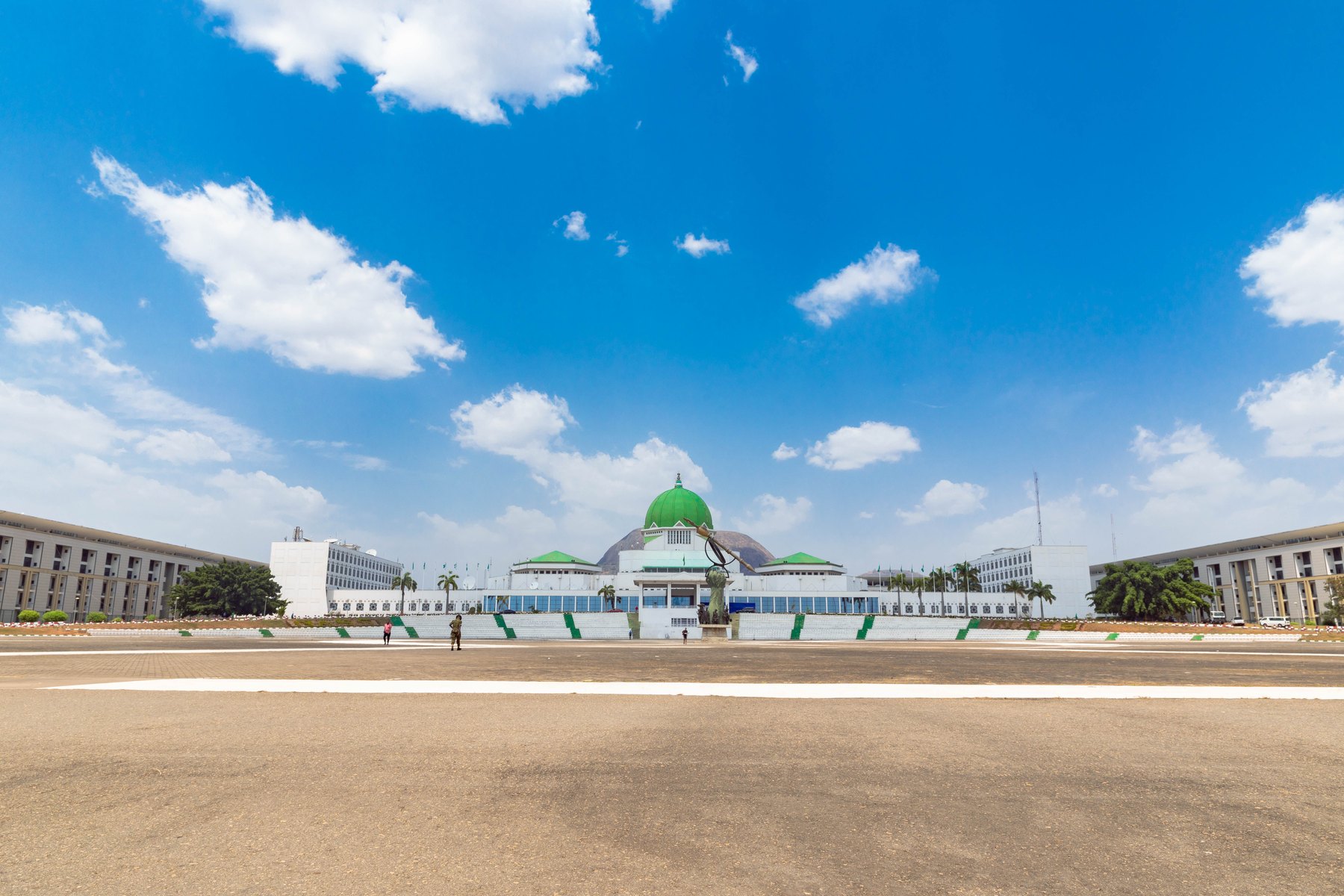
Ugandan authorities are reviewing travel records, contacts and genomic evidence with Nigerian officials and international partners after a woman who visited Uganda tested positive in Abuja. Switzerland believes the patient, the wife of a Swiss diplomat, became infected during her Uganda trip; Baryomunsi disputed that conclusion.
Reuters reported that she and Kenya’s first patient passed through Entebbe on the same day. Uganda’s health ministry said airport footage showed no physical interaction. Nigerian officials said the viruses were closely related but had not established a direct connection between the cases.
WHO’s October 23 update recorded 9,704 confirmed infections and 4,687 deaths in Congo through October 20, across eight provinces. It said no approved vaccine or specific treatment exists for Bundibugyo virus disease; rapid detection, care and contact tracing remain central to control.
The same WHO assessment called for stronger cross-border surveillance and preparedness while advising against restrictions on travel or trade with affected countries.
Sources
3 references
- Associated Press via ABC NewsUganda tightens Ebola border controls and requires returnees from Congo to pay for quarantineIndependent reporting; syndicated AP article · 2026-10-25
- Reuters via InternazionaleUganda imposes 21-day quarantine on citizens returning from CongoIndependent reporting; English Reuters text reproduced by Internazionale · 2026-10-25
- World Health OrganizationEbola disease caused by Bundibugyo virus — Democratic Republic of the Congo, Kenya and NigeriaPrimary public-health assessment and outbreak data · 2026-10-23