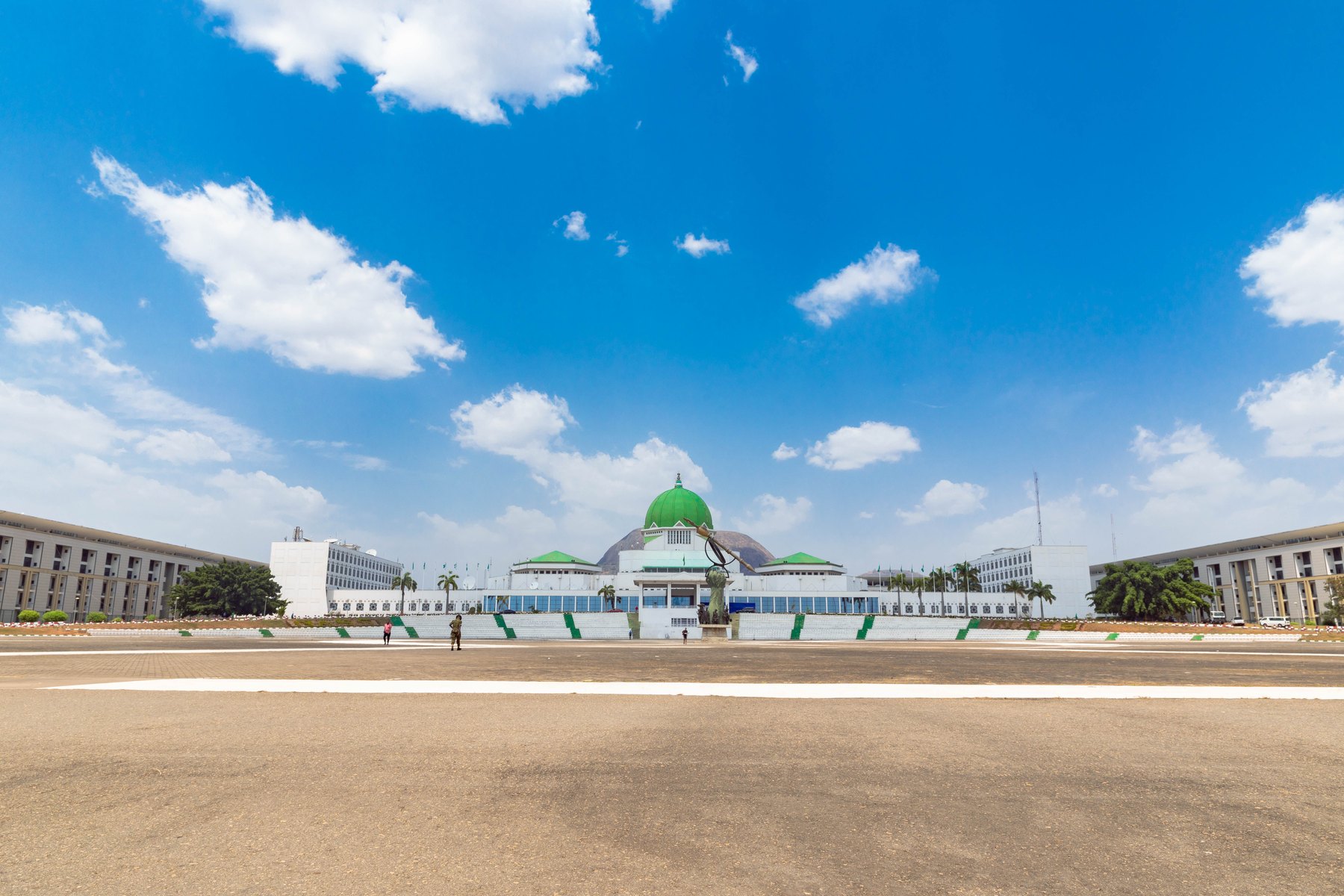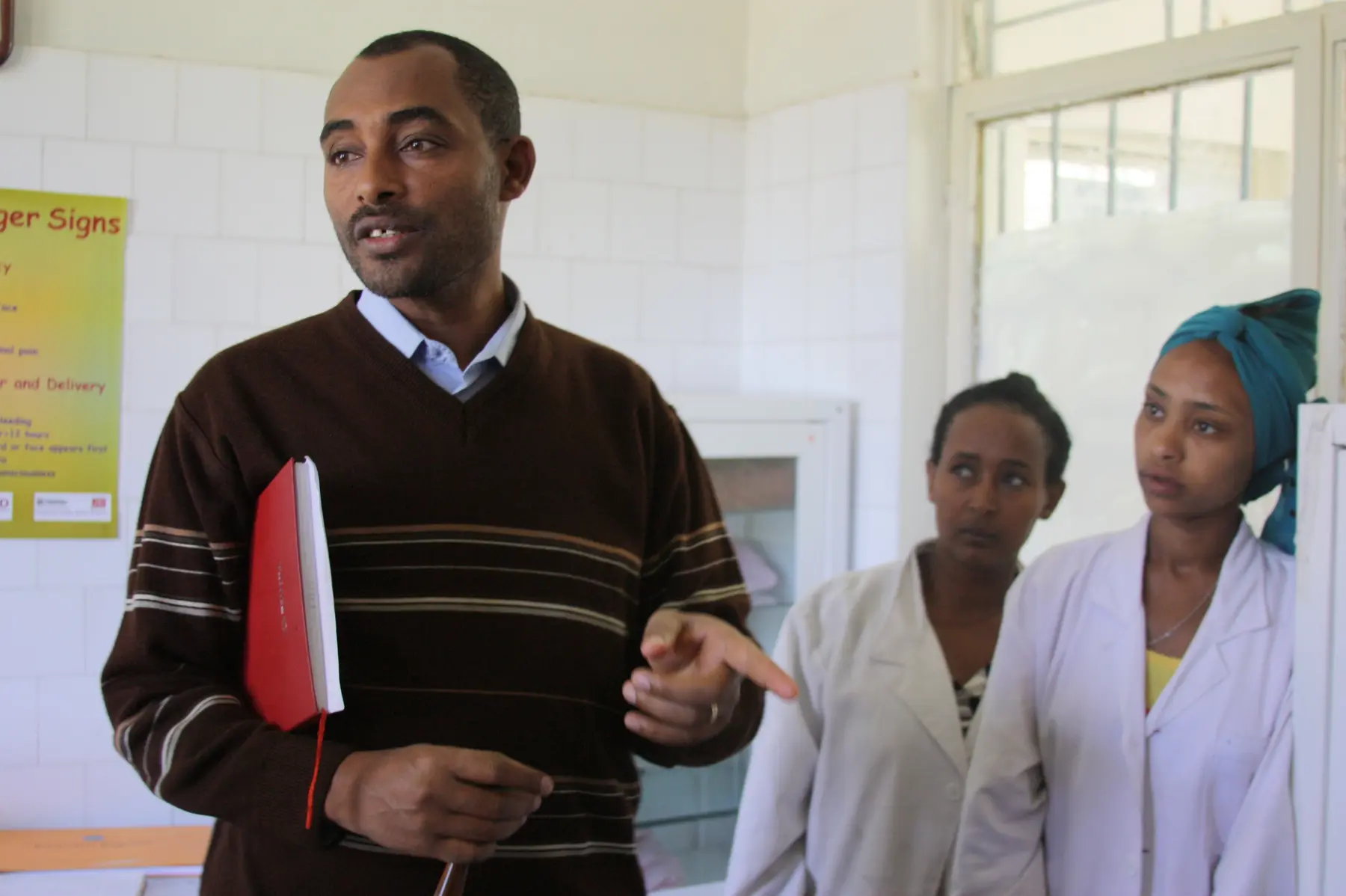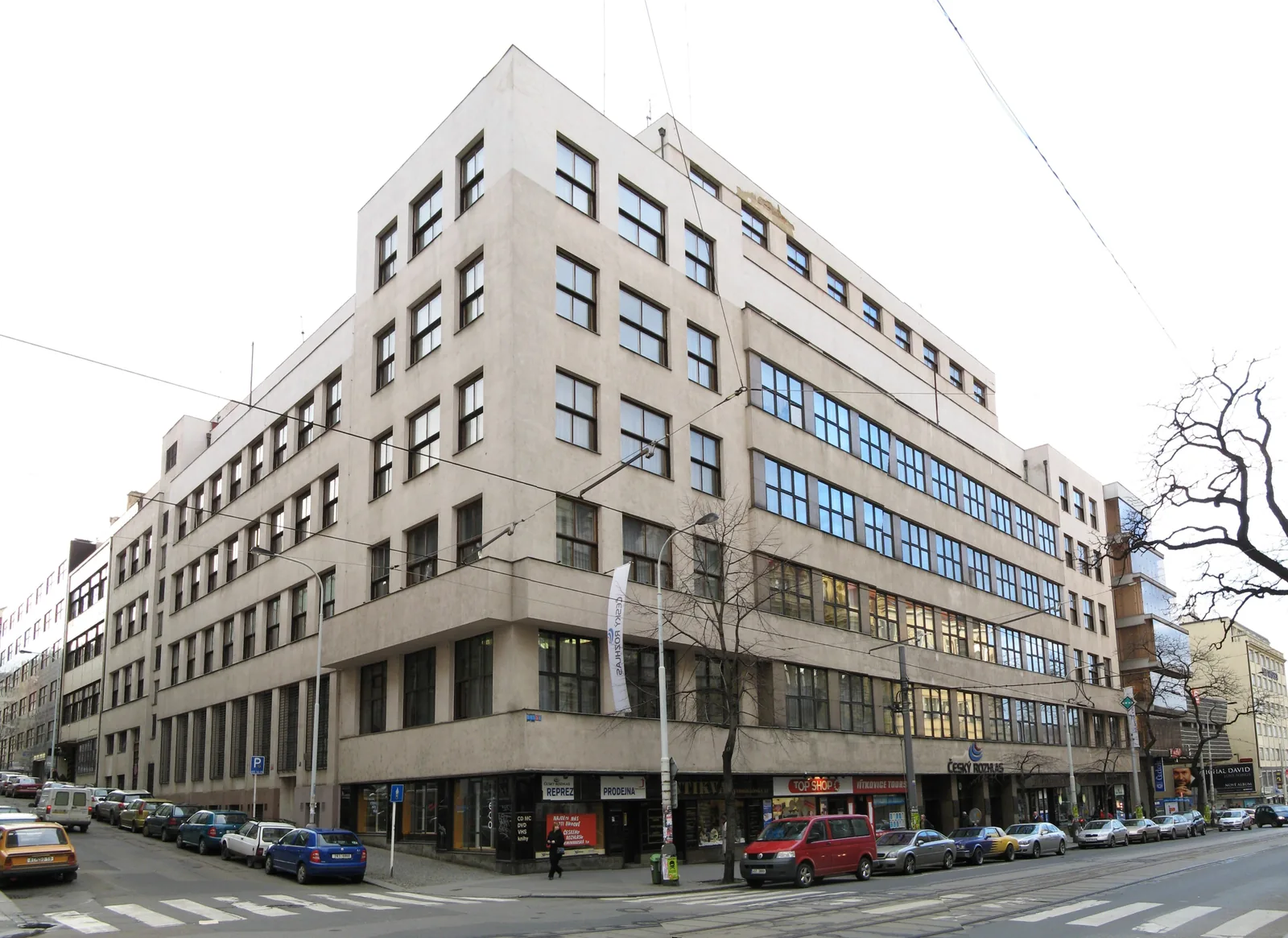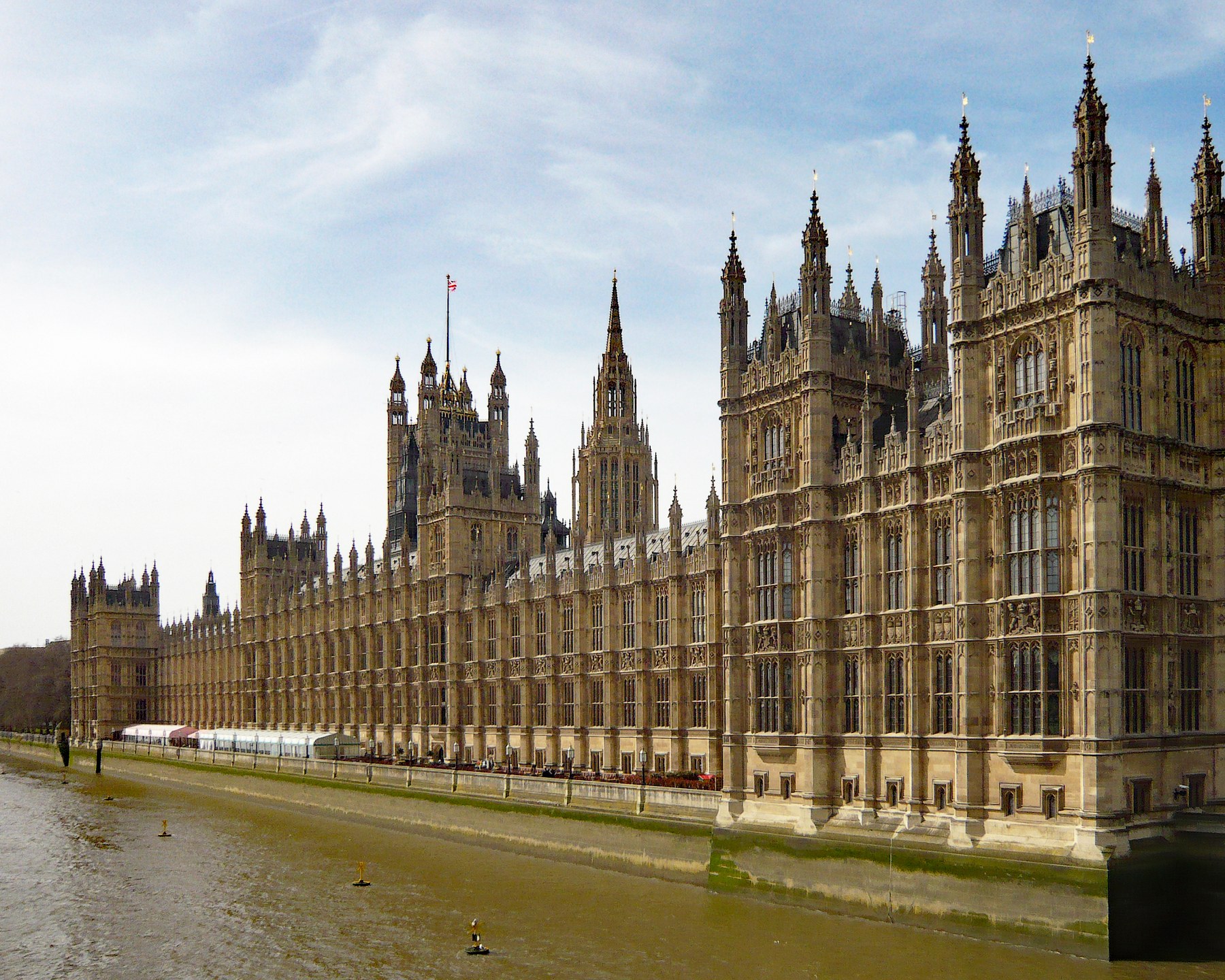
The Home Office published consultation findings on Nov. 2, and Home Secretary Shabana Mahmood set out the policy in the House of Commons. The department says more than 200,000 consultation responses were received; this is a response count, not necessarily a count of unique individuals. The Guardian reports that its analysis of Home Office estimates put the number whose settlement would be delayed at 517,000, down from 799,000 under the earlier draft; those are projected applicants, not an independently measured population. AP reports the standard 10-year period, five-year exceptions for some workers and a planned 2027 introduction. The government’s policy is not the same as an enacted immigration rule; implementation details and transitional arrangements may still be subject to formal rule changes. Photos are dated archive context, not images of the Nov. 2 announcement: the Commons exterior was photographed in 2010 and a Glasgow care-home nurse in 2005.
Ten years becomes the default
Britain will make most migrants wait 10 years before they can apply for indefinite leave to remain, Home Secretary Shabana Mahmood told Parliament on Nov. 2. The status, commonly called settlement, allows a person to live in the UK without a time limit and can open access to a wider range of rights and benefits.
The government says the new “earned settlement” model will link eligibility to sustained contribution and other requirements. The Home Office published the findings of its consultation the same day, reporting more than 200,000 responses. The department has not yet turned the policy announcement into a complete set of operative immigration rules.
Care and public-service workers retain faster options
The final package softened a draft that would have made some lower-paid workers, including care workers, wait 15 years. AP reports that care workers who meet a £25,000 salary threshold can still apply after five years; the Guardian says the exception covers those who arrived before the government’s May 2025 immigration white paper.
People earning at least £50,000, some public-service workers such as doctors, nurses and teachers, and certain safe-route refugees will also retain five-year paths. The highest earners above £125,000 and some highly skilled visa holders can apply after three years, according to AP.
Hundreds of thousands may face a later application
The policy still changes the timetable for many people already in Britain. The Guardian reports Home Office projections that the number whose settlement would be delayed fell from 799,000 under the earlier draft to 517,000 under the revised plan. The figures describe projected applications over the policy period, rather than a confirmed count of individual cases.
Critics cited by the Guardian say applying a longer qualifying period to people who arrived expecting the former five-year route could change the rules after the fact. The government says settlement will be earned; the full effect will depend on the final rules, eligibility details and start date. AP says the changes are due to begin during 2027.
Sources
3 references
- UK Home OfficeEarned settlement: Consultation findingsPrimary publication of consultation and targeted research findings; records more than 200,000 consultation responses. · 2026-11-02
- Associated PressUK tightens immigration rules but backs down from plan for a 15-year wait to settleIndependent reporting on the Commons announcement, standard timelines, exceptions and expected implementation in 2027. · 2026-11-02
- The GuardianHow will UK immigration rules change under Shabana Mahmood’s latest plans?Independent explainer comparing the final package with the earlier proposal and reporting Home Office projections. · 2026-11-02