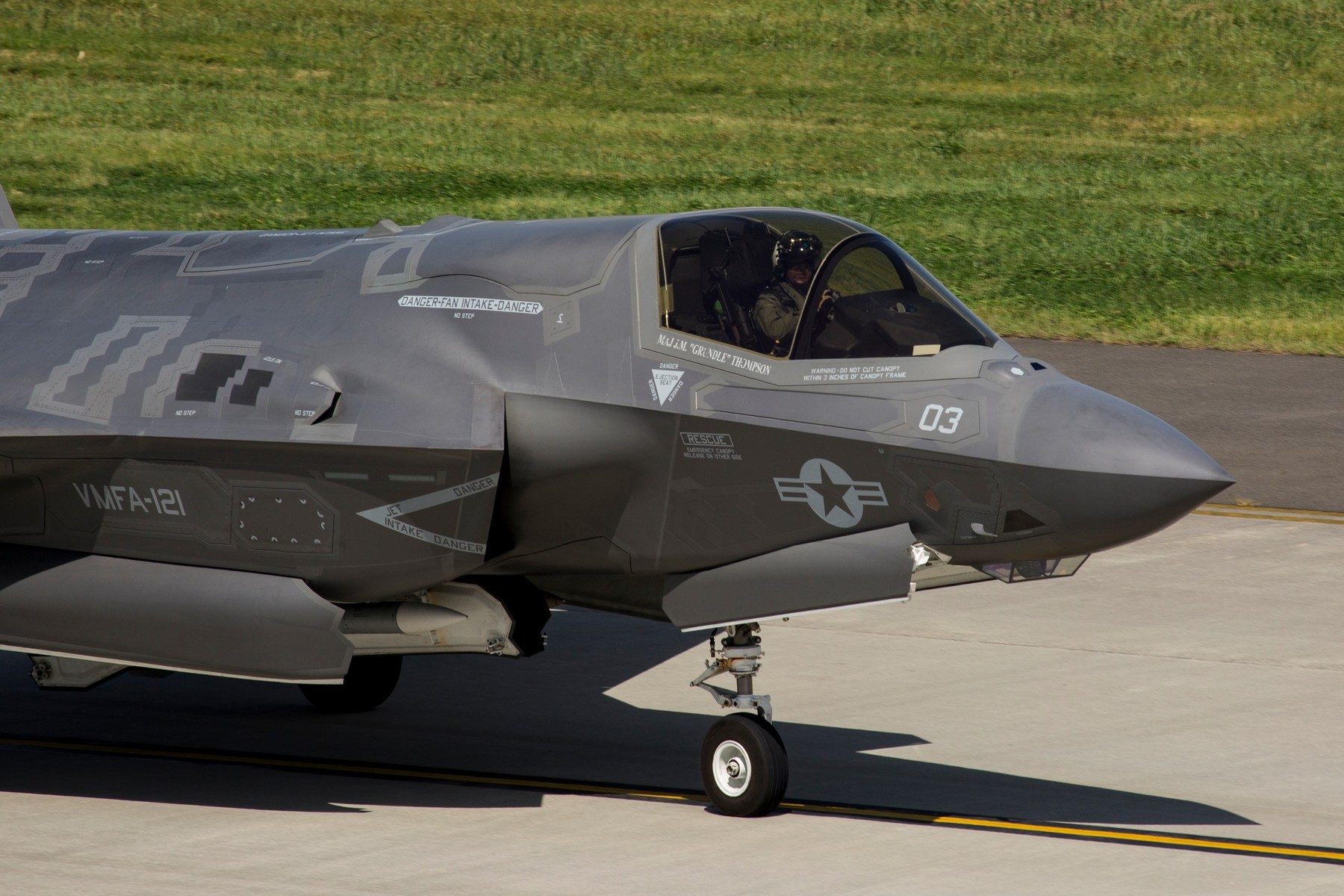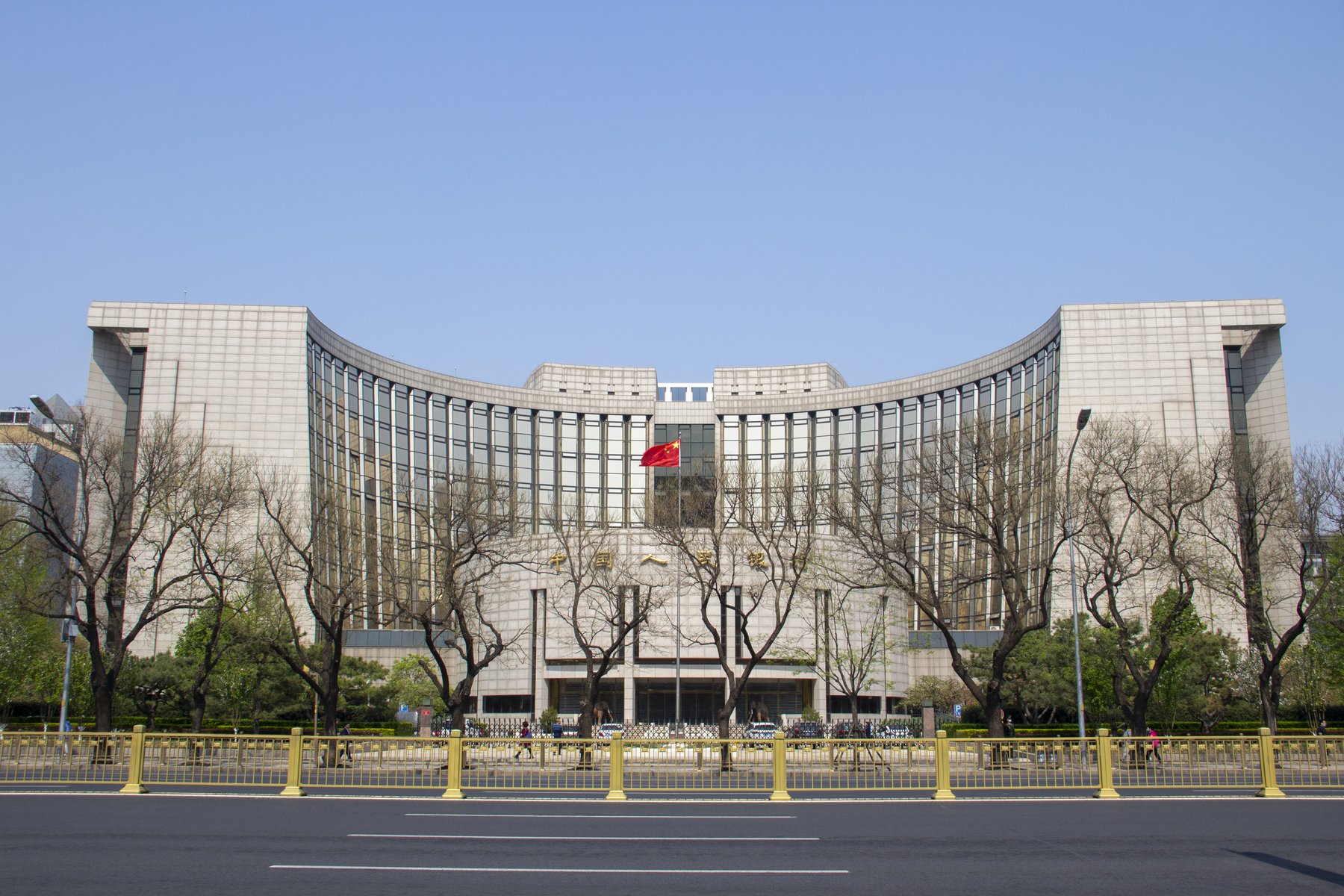
The Associated Press, Reuters and The Kyiv Independent report that Ukraine’s Air Alert app displayed false warnings late Nov. 1 and was temporarily suspended; Ukraine’s Air Force said there was no radiation threat, and officials advised residents to rely on official channels and physical alerts. Russia’s Emergencies Ministry separately reported an attack on its own app. A regional ministry statement says Russia’s wider warning channels, including sirens, SMS and broadcasts, remained operational. Reporting does not identify the attackers or establish a link between the incidents. Both photographs are dated contextual images, not images of the Nov. 1 cyberattacks.
False warnings hit Ukraine’s alert app
Ukraine’s Air Force said its Air Alert app was likely compromised late Sunday, after users received false messages warning of radiation and chemical threats and street fighting in Kyiv. The reports prompted concern in a country where the app relays warnings during Russian missile and drone attacks.
The app was temporarily suspended while the incident was addressed. The false messages were cleared within about an hour, The Kyiv Independent reported. Ukraine’s Air Force said there was no radiation threat. The country’s State Emergency Service said the wider warning system was operating normally and advised people to follow local authorities and listen for public loudspeakers.
Russia reports a separate app attack
Russia’s Emergencies Ministry said early Monday that its mobile application had also suffered a cyberattack that allowed false information to be sent to users, the Associated Press and Reuters reported. The ministry did not identify the attackers.
A regional ministry office said the nationwide public alert system continued to function through sirens, loudspeakers, text messages, television and radio. It described the mobile app as an additional information service. Neither country has provided evidence that the two app incidents were coordinated or connected.

A digital warning is only one safety channel
The incidents exposed the risk of false messages reaching people through a tool designed to direct them toward safety. They also showed why authorities maintain other warning channels. Ukraine’s Digital Transformation Ministry recommended that Kyiv residents use the separate Kyiv Digital app while Air Alert was disrupted, Reuters reported.
The attackers’ identities and motives remain unknown. Ukraine described hostile interference but did not publicly substantiate who was responsible; Russia’s ministry likewise did not name a suspect. The available reporting does not establish a direct link between the attacks.
Sources
4 references
- Associated PressUkraine and Russia both report cyberattacks on emergency appsReports false warnings in Ukraine and separate Russian claims of an attack on the Emergencies Ministry app; says Russia’s broader public alert system remained operational. · 2026-11-02
- ReutersUkraine says public air raid alert app sent false alerts after being hackedReports the Ukrainian Air Force account, the temporary disruption, alternative alert channels, and a separate Russian app incident; says it was not clear whether the incidents were linked. · 2026-11-01
- The Kyiv IndependentUkraine’s air raid alert system hacked, Air Force says as false nuclear, chemical warnings soundReports false messages received by its journalists, subsequent official guidance and restoration of the nationwide alert system. · 2026-11-01
- Russia’s Emergencies Ministry, regional officeRussia’s public alert system operating normallySays the mobile app was an auxiliary service and that the public alert system continued through sirens, loudspeakers, SMS, television and radio. · 2026-11-02