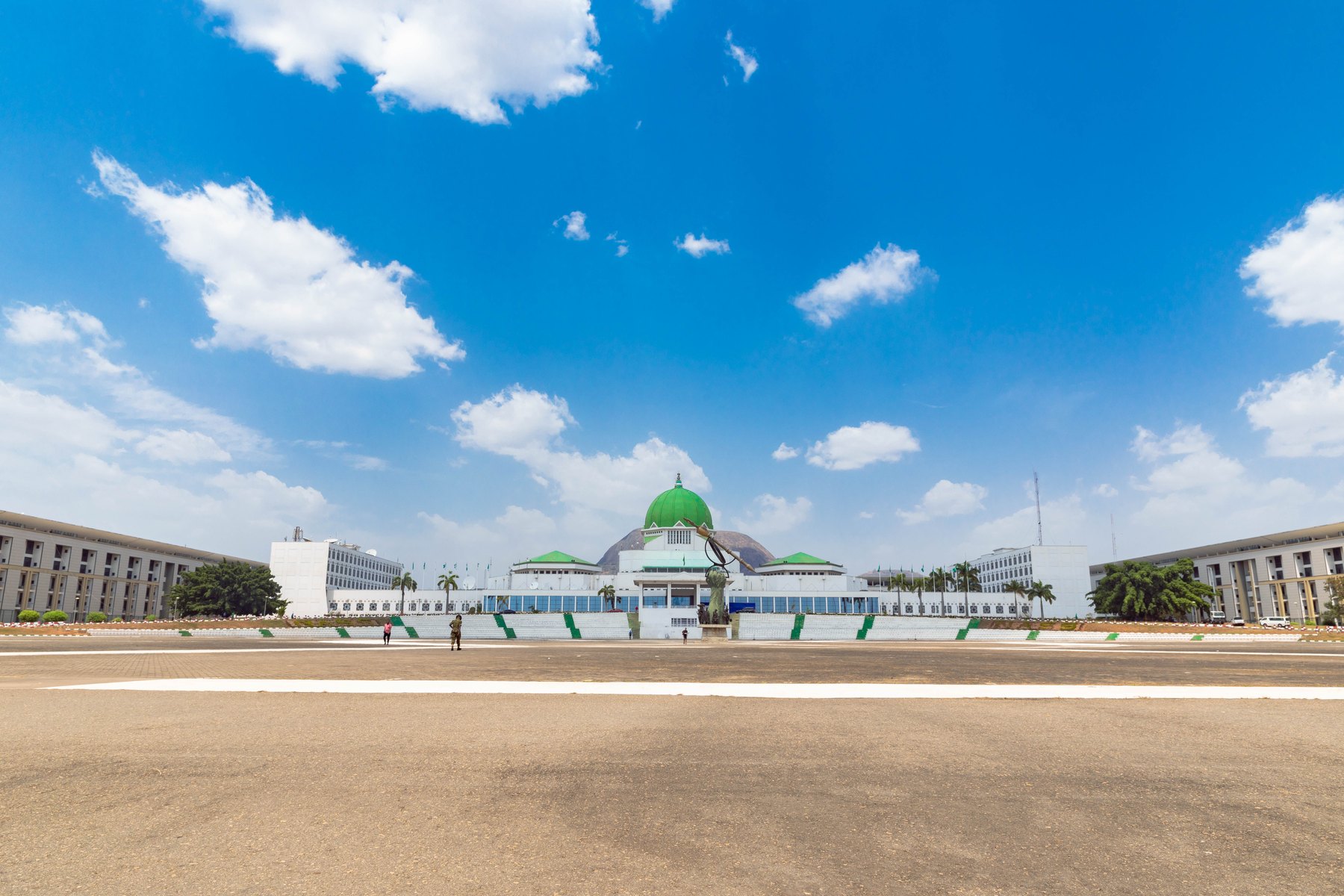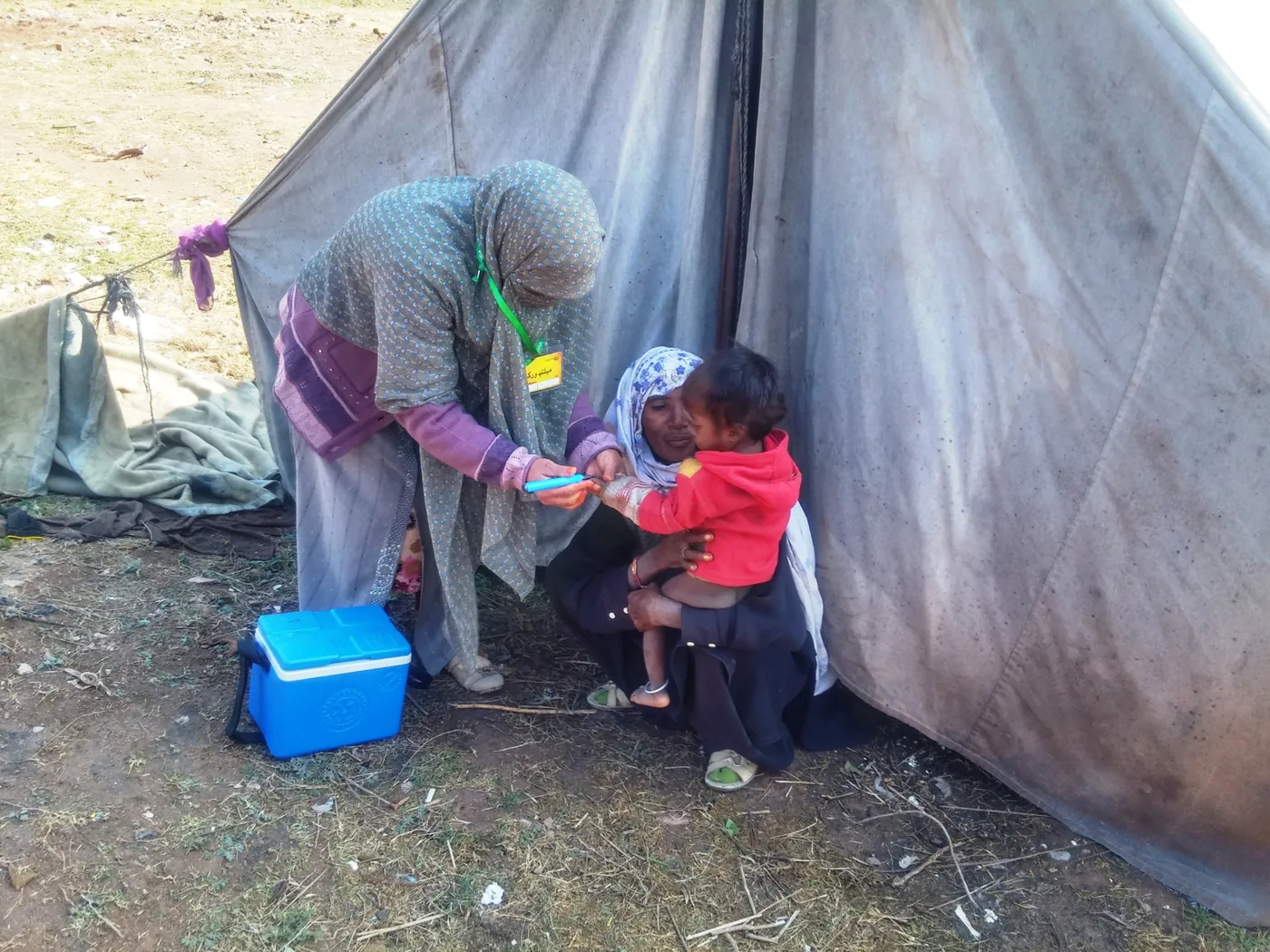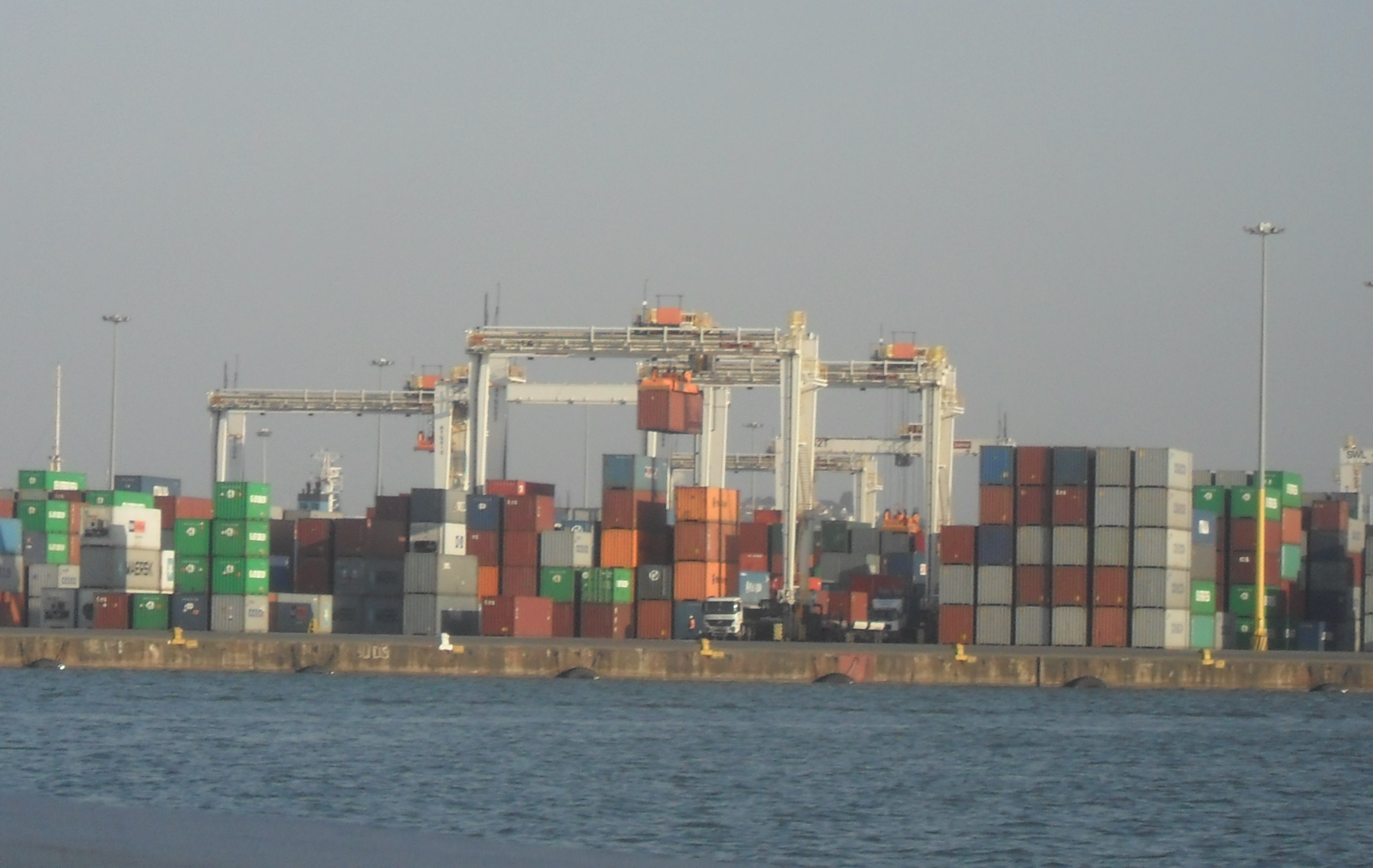
Reuters reported on Nov. 2 that U.S. Trade Representative Jamieson Greer said Washington intends to suspend South Africa and Rwanda from AGOA duty-free access, citing an administration finding that both governments’ practices conflict with the programme’s criteria. The announcement is an intention; the reporting does not specify an implementation date or whether all or only some benefits would be affected. South Africa’s trade minister said on Oct. 30 that the country would have 60 days to address any remaining concerns before a full or partial suspension could take effect. CRS and USTR materials explain the programme and its scale. Rwanda already has an older, separate suspension of apparel benefits, while retaining other AGOA eligibility; that 2018 measure is not the new action reported here. Images are dated context: the Durban port photograph is from July 2010 and the South African clothing-workers union photograph from September 2023; neither depicts the current review or affected exporters.
A proposed change to preferential access
The United States intends to suspend South Africa and Rwanda from duty-free access under the African Growth and Opportunity Act, U.S. Trade Representative Jamieson Greer said on Monday. The statement marks a sharp escalation in a review that South Africa had expected to conclude with a decision on eligibility for 2027.
The announcement describes an intended action, not a suspension already in force. It gives no effective date and does not say whether Washington plans to remove every AGOA benefit or target particular products. South Africa’s government said before the announcement that it would have 60 days to address any remaining US concerns before a full or partial suspension could take effect.
What AGOA covers — and what it does not
AGOA lets qualifying sub-Saharan African economies export eligible goods to the United States without ordinary import duties. USTR says the programme covers more than 1,800 products. Eligibility is reviewed annually against criteria including market-based economic policies, rule of law, political pluralism, human rights and removal of barriers to US trade and investment.
The Congressional Research Service says US imports receiving AGOA duty-free treatment totalled $5 billion in 2025, down from $7.9 billion in 2024. South Africa accounted for $1.6 billion, the largest country share. Those figures cover goods entering under the preference programme, not all trade between the two countries.

The countries face different starting points
Greer said the administration considers practices by both governments inconsistent with AGOA’s eligibility criteria. Reuters reported that Washington has raised concerns about South Africa and cited trade barriers, rule of law and human rights in Rwanda. South Africa has rejected allegations about persecution of white people that President Donald Trump has used to criticise its government; Pretoria says the claims are false.
Rwanda already faces a narrower restriction: USTR says its duty-free apparel benefits have been suspended since 2018, while the country remains eligible for other AGOA benefits. The new announcement therefore leaves open whether Washington intends to widen that restriction or take a different step. The precise scope and process remain unclear.
Trade and diplomatic stakes
South Africa’s trade ministry said bilateral trade with the United States reached $28.8 billion in 2025 and described ongoing engagement over AGOA. Pretoria has also pointed to US businesses operating in the country and to exports such as vehicles and minerals, though those commercial relationships are not all covered by AGOA.
The change could affect exporters that rely on preferential tariffs if it is carried out, but the announcement alone does not establish which shipments would face higher duties or when. For now, the next concrete signals will be any formal US notice setting the measure’s scope and effective date, and whether talks produce changes before that point.
Sources
6 references
- ReutersUS to suspend South Africa, Rwanda from duty-free trade accessReports USTR Jamieson Greer’s statement that the administration intends to suspend both countries from AGOA access; it does not give an effective date or clarify the scope. · 2026-11-02
- Congressional Research ServiceAfrican Growth and Opportunity Act (AGOA)Background on annual eligibility decisions, 2026 reauthorization and 2025 imports receiving AGOA duty-free treatment, including the South African share. · 2026-08-14
- South African Government News AgencySA ready for AGOA eligibility decisionReports Trade Minister Parks Tau’s position before the review outcome; he said South Africa would have 60 days to address remaining concerns before a full or partial suspension could take effect. · 2026-10-30
- Office of the U.S. Trade RepresentativeStatement from Ambassador Jamieson Greer on the Reauthorization of AGOAOfficial description of AGOA’s product coverage, eligibility criteria and 2026 extension. · 2026-02-03
- Office of the U.S. Trade RepresentativeRwandaOfficial country profile says Rwanda remains AGOA-eligible while its apparel benefits have been suspended since July 31, 2018. · 2026-11-02
- Office of the U.S. Trade RepresentativePresident Donald J. Trump Upholds AGOA Trade Preference Eligibility Criteria with RwandaPrimary source describing the earlier, apparel-only Rwanda suspension and the distinction from full beneficiary status. · 2018-07-30