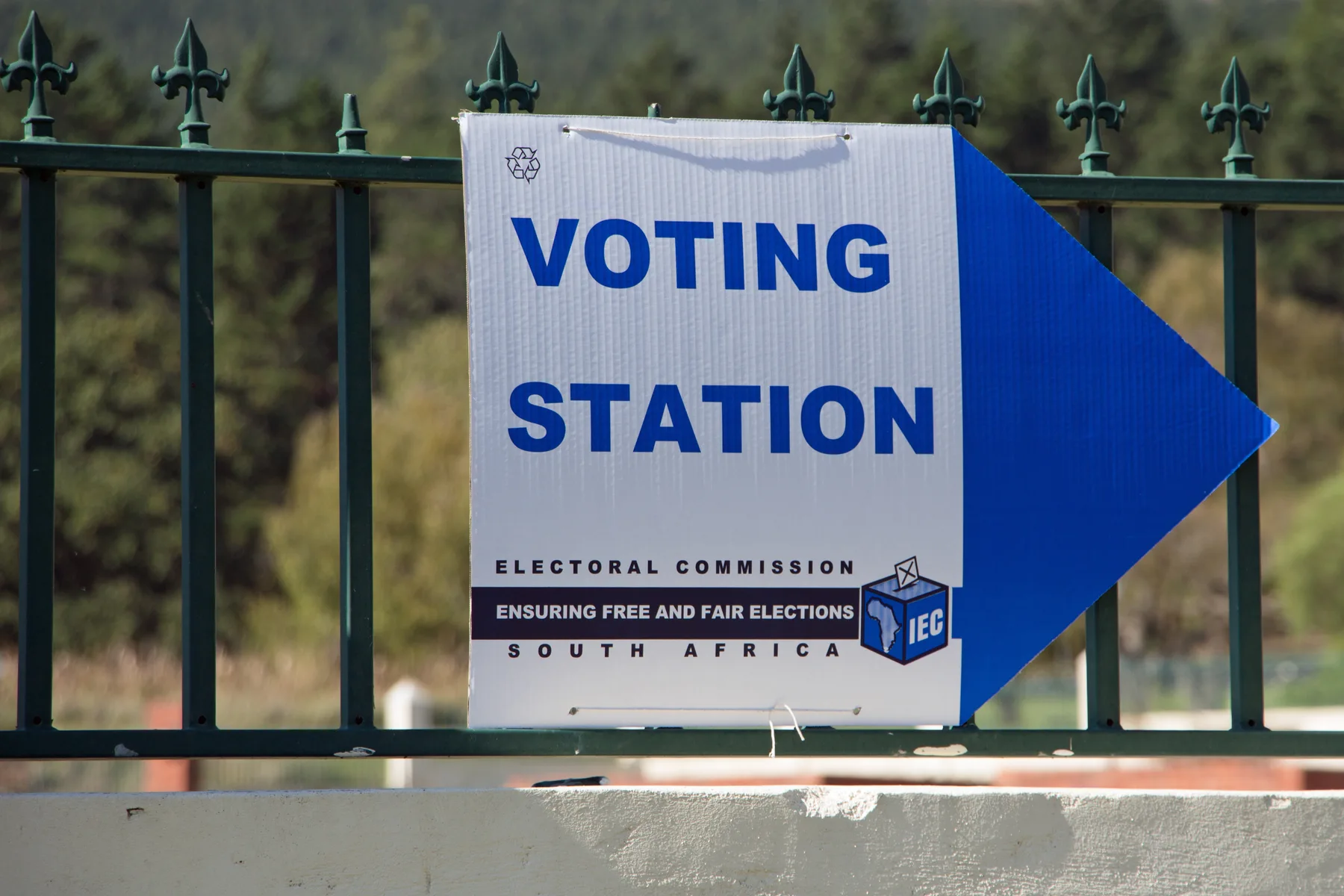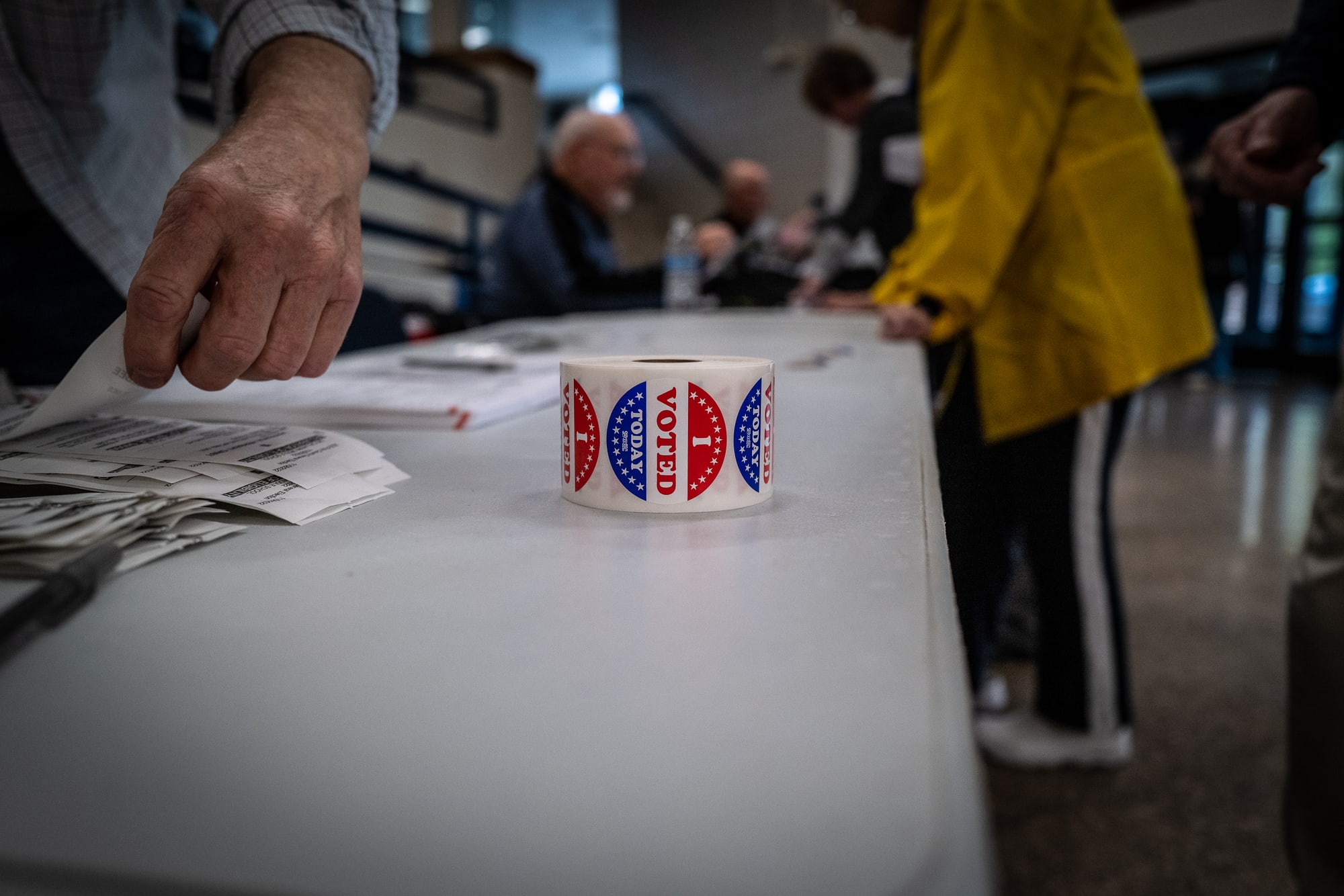
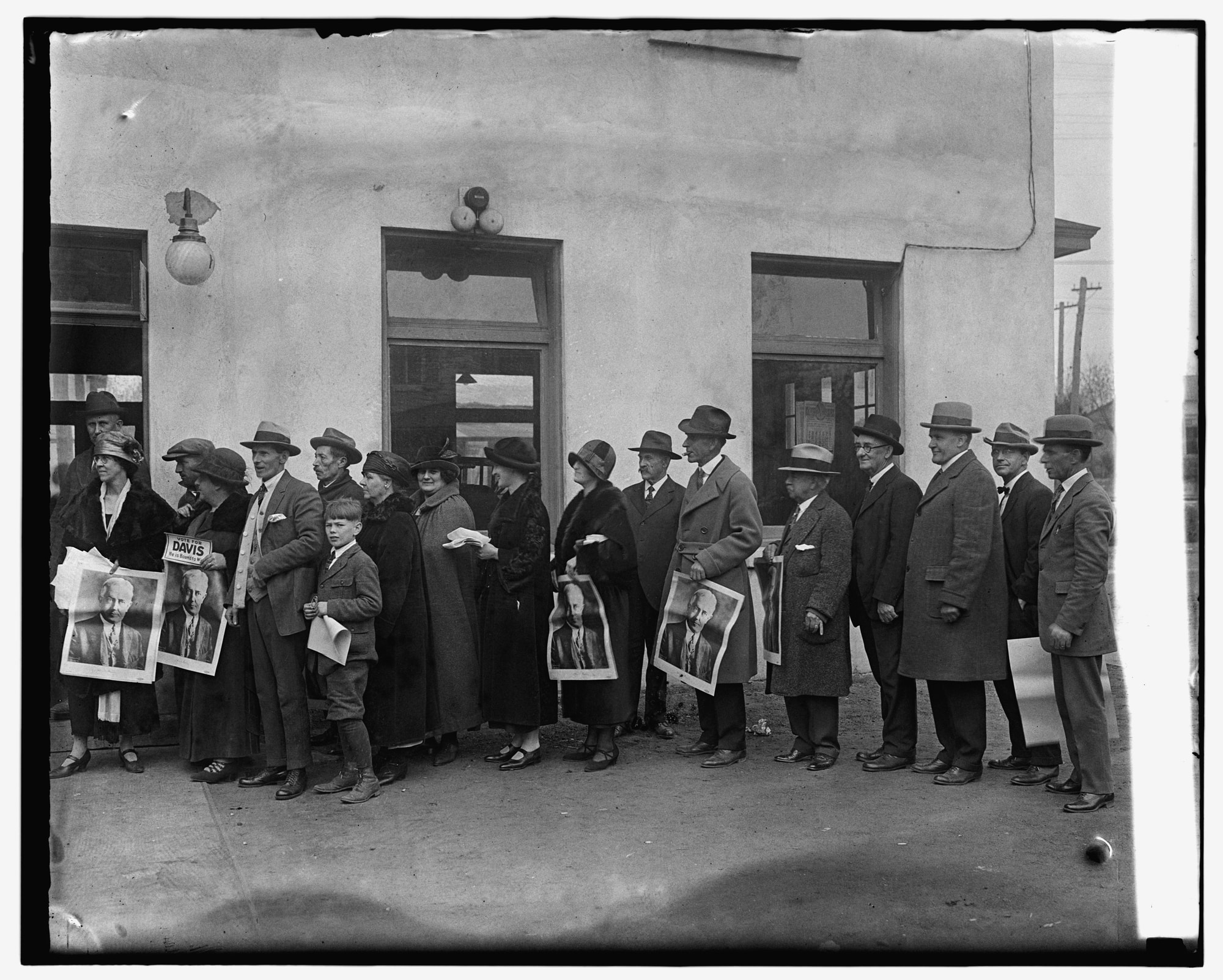
The Nov. 3 election date and the Justice Department’s planned deployment of about 1,000 monitors were checked against reporting by Reuters and the Associated Press. The department’s stated monitoring purpose and legal background were checked against its own federal observer guidance. The number describes a plan before election day, not a count of staff who ultimately monitored polling places. Concerns about access and intimidation are attributed to officials and advocates; this report does not assert that intimidation occurred. The lead photograph is an archive image from a Des Moines polling place on Nov. 8, 2022, and the inline photograph shows a voter line in Clarendon, Virginia, in 1924; neither depicts the 2026 midterms or DOJ monitors.
A larger federal presence is planned
The Justice Department plans to send about 1,000 staff members to monitor polling places during Tuesday’s US midterm elections, Reuters reported Monday. That would be roughly three times the number deployed during the last midterms in 2022. The department has described the effort as its largest election-monitoring deployment.
The election on Nov. 3 will decide control of the House and Senate for the final two years of President Donald Trump’s term. The monitoring figure is a pre-election plan; it does not show how many staff ultimately observed voting or whether they encountered problems.
What monitors are there to do
The department’s Civil Rights Division says its election monitors assess whether voting is being conducted in line with federal voting-rights laws and report their observations. The department says monitors are trained not to interfere with voting. They are not election workers and do not count ballots or certify results.
Access can depend on state and local rules. Reuters reported that some officials are concerned about where federal observers may go and how their presence could affect voters. The Justice Department has rejected claims that its observers are intended to intimidate voters. Those competing positions describe the dispute; they are not evidence that intimidation has occurred in the 2026 election.
Local officials are preparing for scrutiny
Election offices are preparing for an unusually large federal presence while also managing ordinary election-day work. The Associated Press reported that some local officials had sought legal advice or coordinated with law enforcement as they reviewed how monitoring rules would apply at polling places.
Past disagreements during primary elections have added to the attention. The Justice Department says its monitoring is meant to protect access to the vote, while some election officials and voting-rights advocates have raised concerns about the scale and possible effects of the operation.
The vote count remains a local process
Federal observers do not replace state and local officials, who administer voting and count ballots under their jurisdictions’ procedures. Close races may take time to report as officials process ballots and conduct required checks; the presence of monitors does not determine the outcome.
The immediate test will be whether the monitoring plan can proceed within applicable rules while voters cast ballots and local offices carry out the count. The department’s final deployment and any issues it reports will become clearer after election day.
Sources
4 references
- ReutersSix things to watch as US voters decide control of CongressReported that the Nov. 3 election will determine control of Congress and that the Justice Department plans about 1,000 monitors, roughly three times the number in the last midterms; also described concerns and the department’s response. · 2026-11-02
- Associated PressThousands of observers are expected to descend on polling places to monitor the vote on Election DayReported the department’s planned monitoring effort, its stated noninterference rules and concerns raised by local election officials. · 2026-10-26
- ReutersMonitoring the monitors: US states prepare for surge of Justice Department election watchersProvided detail on the plan, state-level rules and disputes over federal observers’ access. · 2026-10-21
- US Department of JusticeAbout Federal Observers and Election MonitoringExplains the Civil Rights Division’s stated role in monitoring compliance with federal voting-rights laws and reporting its observations. ·