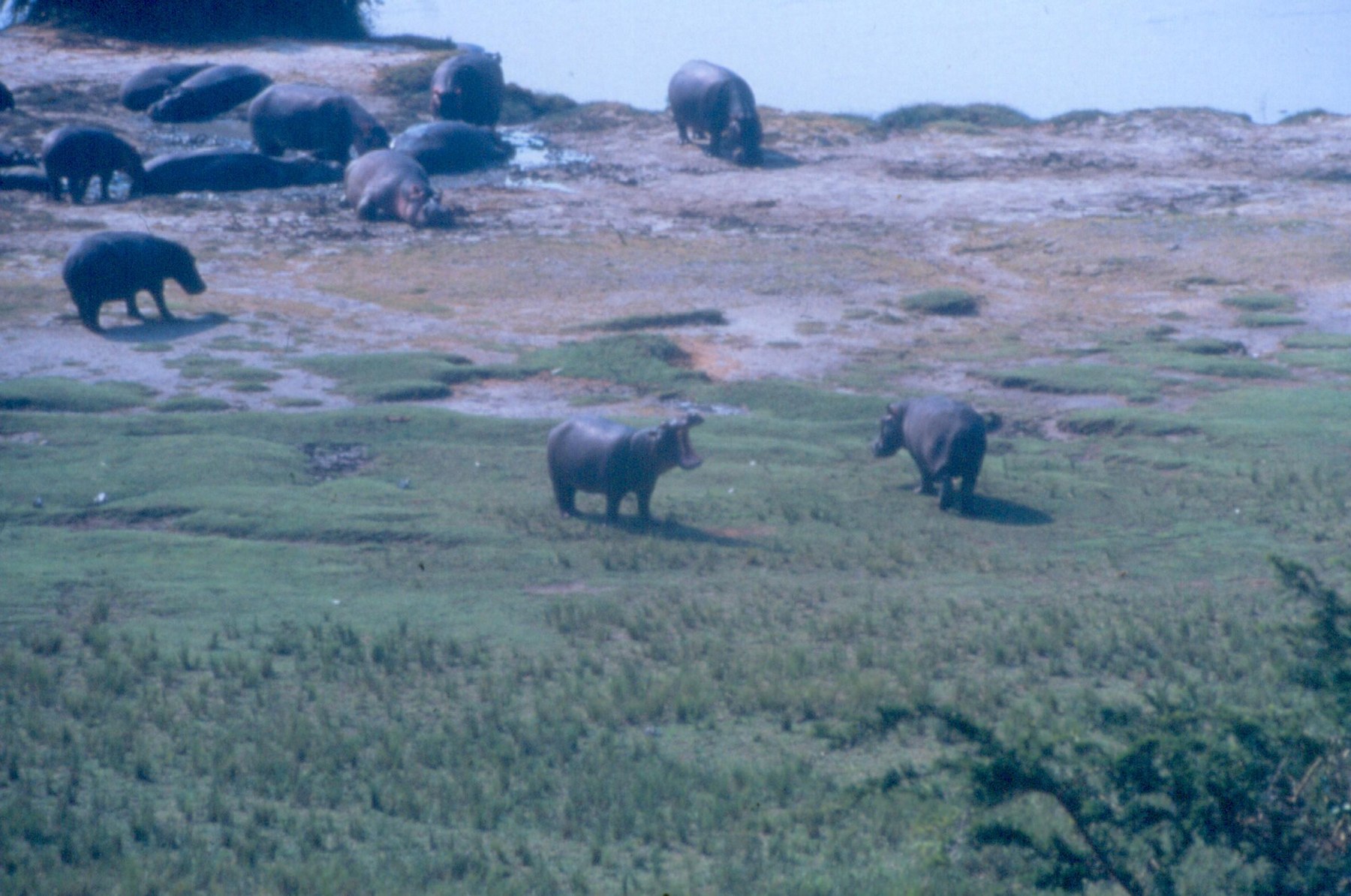
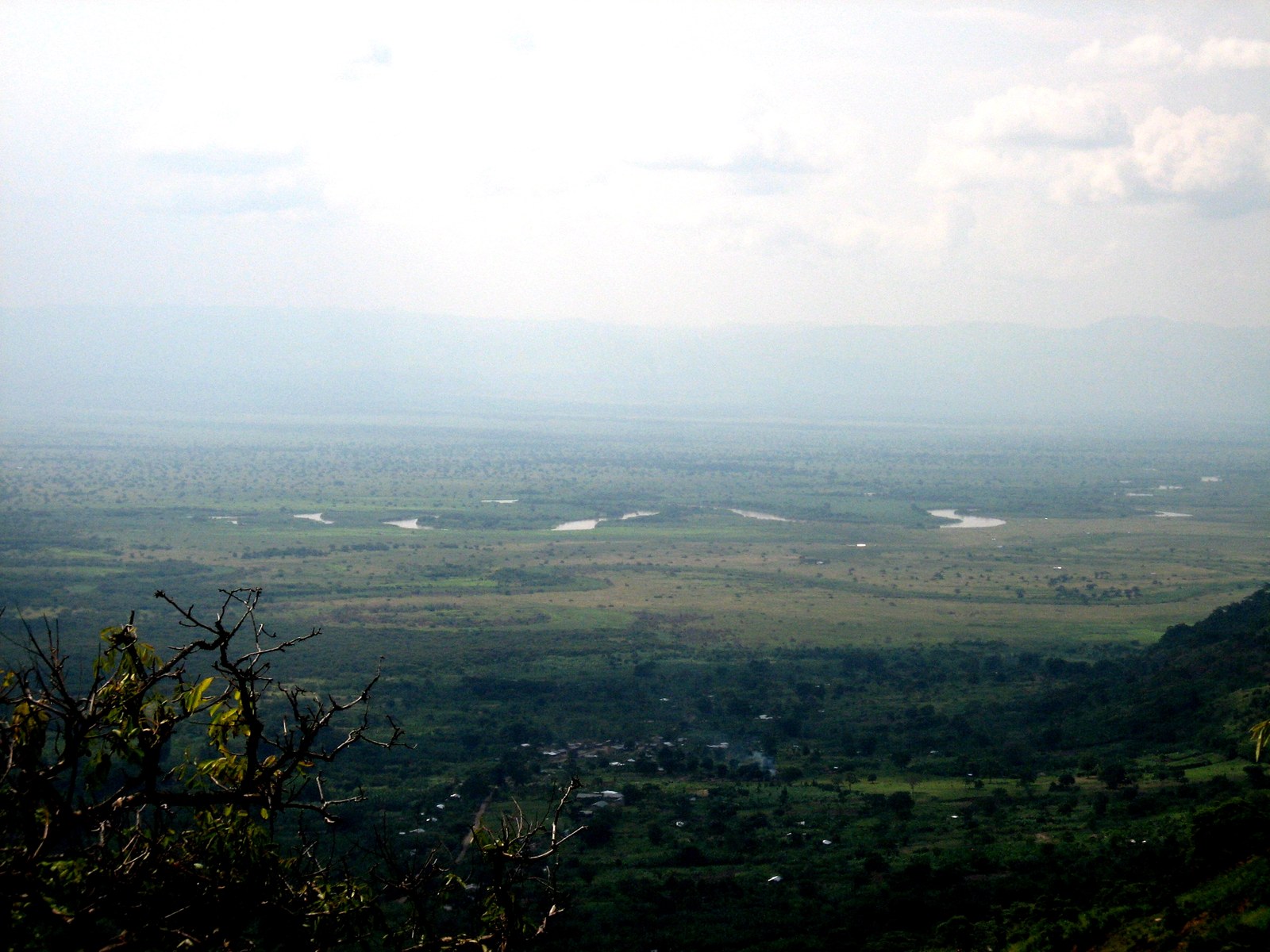
The figure of 28 deaths over about a month comes from Virunga National Park officials as reported by Al Jazeera on Nov. 2. A Sept. 29 communiqué by the Congolese Institute for Nature Conservation (ICCN), carried by the national news agency ACP, says joint veterinary analyses confirmed anthrax and lists precautions for riverside residents. FAO’s April 2025 account is historical context about an earlier outbreak, not evidence about the current death toll. The sources describe a risk to people but do not report human infections linked to this episode. Both images are clearly dated archive context: hippos in Rwindi, Virunga, in July 1989, and the Semliki River on the Uganda–DR Congo border in July 2011; neither depicts the current deaths or the affected river section.
Tests point to anthrax
Virunga National Park officials say anthrax killed 28 hippopotamuses found dead in the Semuliki River in eastern Democratic Republic of the Congo over roughly four weeks. The park confirmed the cause after laboratory tests, Al Jazeera reported on Monday, quoting a park press release.
Residents first noticed the deaths in mid-September, according to a local resident quoted by Al Jazeera. A Sept. 29 communiqué from the Congolese Institute for Nature Conservation (ICCN), the public body responsible for wildlife conservation, said joint analyses by Virunga Doctors and ICCN veterinary teams had confirmed anthrax in the Semuliki deaths. The national news agency ACP carried the statement the following day.
Officials warn residents away from carcasses
Anthrax is caused by the bacterium Bacillus anthracis. The park says people can be exposed through contact with sick or dead animals or by eating their meat. The warning is especially relevant to communities living and fishing along the river, where carcasses can be encountered in the water or on its banks.
The ICCN communiqué urged people not to touch, move, cut, bury or burn carcasses, and not to eat, buy, sell or transport meat from animals found dead. It also advised keeping children, livestock and pets away and avoiding water close to carcasses. The park says its teams are tracking new deaths, managing carcasses safely and informing nearby communities.
A recurring wildlife-health risk
The current episode follows a previous anthrax outbreak among Virunga wildlife in 2025. The UN Food and Agriculture Organization said 52 hippos and seven buffaloes had been reported dead by April 18 that year. Anthrax spores can persist in soil, making surveillance and safe handling important even after an outbreak subsides.
The sources reviewed for this report describe a potential risk to people but do not report human infections linked to the current hippo deaths. Officials have asked residents to report carcasses and suspected cases rather than handle them.
Sources
3 references
- Al JazeeraAnthrax outbreak kills hippos in DR Congo’s Virunga National ParkReported that Virunga officials counted 28 hippo deaths over about four weeks and confirmed anthrax after laboratory tests; quotes the park’s warnings to communities. · 2026-11-02
- Agence Congolaise de Presse (ACP)North Kivu: anthrax caused the hippo deaths in the Semuliki River, ICCN saysCarries the Sept. 29 ICCN/ Virunga communiqué: joint analyses by Virunga Doctors and ICCN attributed the Semuliki hippo deaths to anthrax, and officials advised residents not to handle carcasses or use nearby water. · 2026-09-30
- Food and Agriculture Organization of the United Nations (FAO)FAO supports early warning and detection of anthrax in Virunga National ParkHistorical context: FAO documented an earlier Virunga outbreak, recording 52 hippos and seven buffaloes reported dead by April 18, 2025, and warned of possible transmission to people and domestic animals. · 2025-04-18