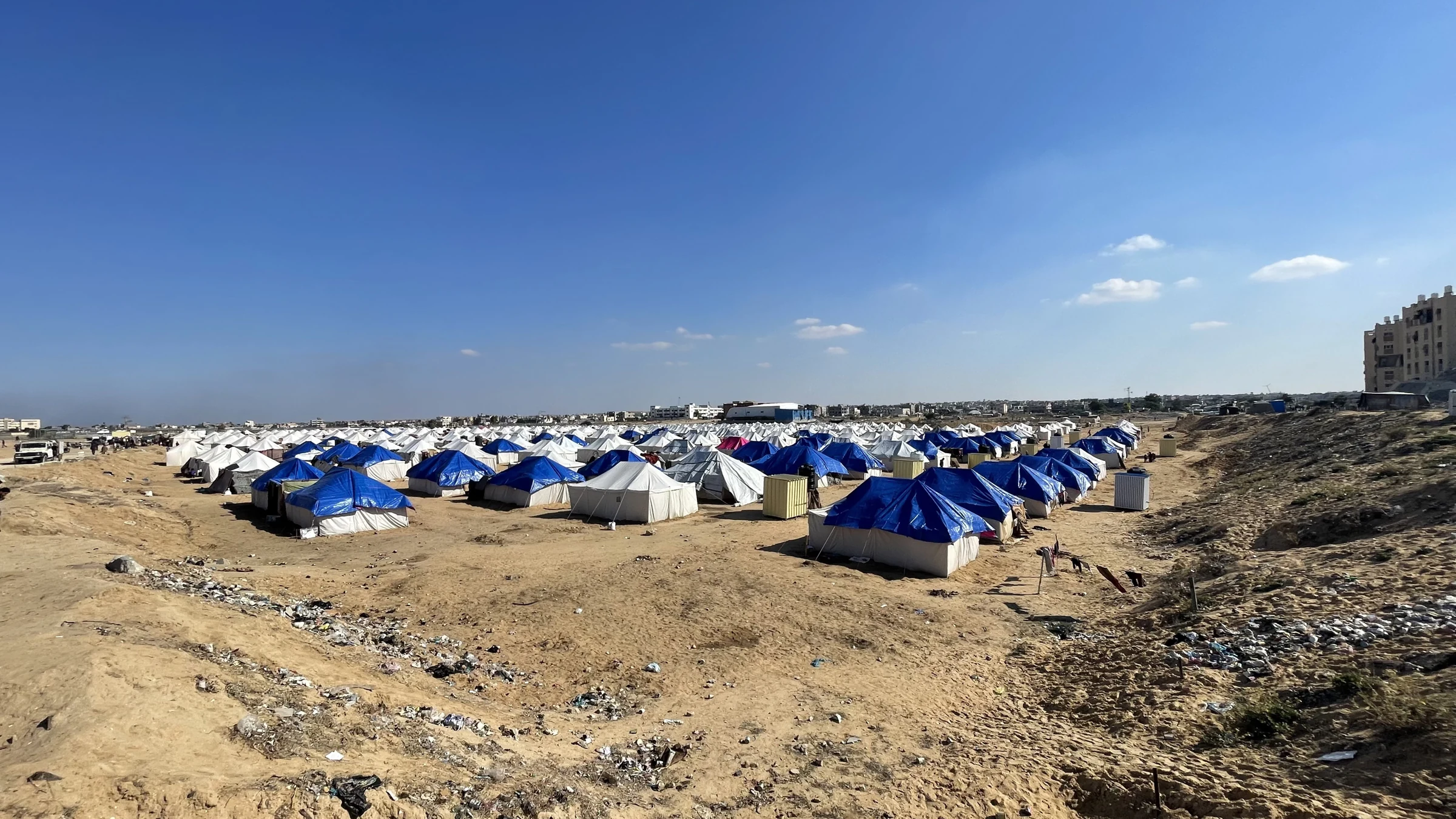
Reuters and Al Jazeera reported field accounts and statements from Gaza civil defence and the government media office. Both attributed the 70,000-tent estimate to the same office; the count is not an independently verified tally. OCHA’s 5 November report records shelter and flood-response needs using figures current to 1 November, not a post-rain damage assessment. Both photographs are dated archive images: 30 November 2024 and 1 December 2025, neither depicts the 7 November 2026 storm.
Updated : Added Al Jazeera’s on-the-ground Nov. 7 report to corroborate the winter-storm description and civil-defence call total; clarified that multiple outlets attribute the 70,000 figure to the same Gaza Government Media Office estimate, not separate verification.
Rain exposed the limits of temporary shelter
Heavy rain flooded shelters used by displaced Palestinians across the Gaza Strip on Saturday, 7 November, as the United Nations humanitarian office warned that available stocks were insufficient to meet the need. OCHA said people living in flood-prone areas and damaged buildings faced immediate risk as the first winter storm reached the territory.
Gaza’s civil defence service said it had received 1,500 distress calls from displaced residents. The Hamas-run Gaza government media office said at least 70,000 tents had been flooded over a 12-hour period, affecting tens of thousands of people and causing injuries; it said no deaths had been reported. Reuters carried those figures with attribution, but the tent count has not been independently verified.
The reports describe an acute weather shock layered onto a shelter crisis. Most of Gaza’s more than two million residents have been displaced during the war, and many now live in tents or other makeshift accommodation, according to Reuters.
Shelter stocks were already far below estimated needs
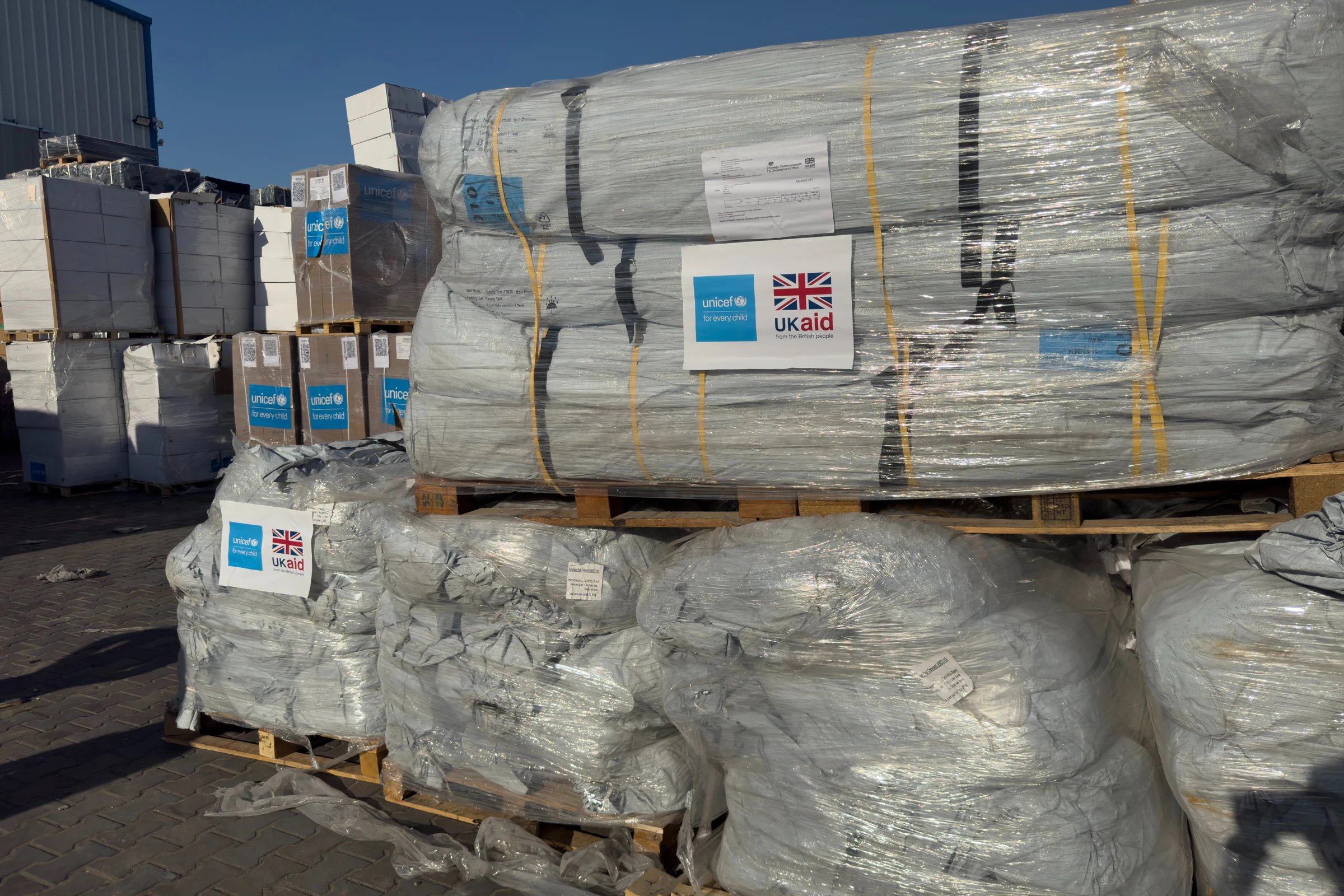
OCHA’s 5 November situation report, citing the Shelter Cluster, said people in Gaza needed about 121,000 tents as of 1 November. Stocks inside the territory stood at approximately 2,800 tents—about 2% of that estimated need—while 76,000 tarpaulins were available against a need for 561,000. These figures are a pre-storm snapshot; they do not measure damage from Saturday’s rain.
OCHA said some further supplies were awaiting entry or procurement, but warned that funding gaps, procurement delays and restrictions on bringing materials into Gaza could push deliveries into the second half of winter. The report also said systems for pumping floodwater and sewage were already failing ahead of the rainy season.
Emergency response depends on fuel and equipment
Reuters reported that municipal and civil defence officials said fuel shortages and damaged equipment limited their ability to respond. Israeli authorities’ COGAT agency said before the storm that it had coordinated sanitation preparations with aid organizations and that four additional vacuum trucks had entered Gaza during the week, joining eight brought in over the previous month.
OCHA called for winter supplies, heavy machinery, engine oil and spare parts to enter and for more humanitarian funding. The available sources document immediate flooding and long-standing supply gaps, but do not yet provide a comprehensive post-storm assessment of how many shelters were damaged or how many people were forced to move.
Sources
4 references
- ReutersHeavy rain floods tents housing Gaza displaced people, aid shortages hamper responseField report with eyewitness accounts and statements attributed to Gaza civil defence, Gaza’s government media office and Israel’s COGAT; the 70,000-tent number is attributed to the media office. · 2026-11-07
- UN Office for the Coordination of Humanitarian Affairs (OCHA)Humanitarian Situation Report | 5 November 2026Primary pre-storm account: as of 1 November, the Shelter Cluster estimated 121,000 tents were needed; OCHA also documented constrained floodwater and sewage pumping and severe shortages of shelter supplies. · 2026-11-05
- UN Office for the Coordination of Humanitarian Affairs (OCHA)OCHA OPT statement on rain, flooded shelters and insufficient stocksOfficial account statement on 7 November said rain had flooded shelters, displaced people faced immediate risk, and available emergency stocks were insufficient. · 2026-11-07
- Al JazeeraRains flood 70,000 displaced families’ tents in GazaIndependent field report; attributes the 70,000-tent estimate to Gaza’s Government Media Office and reports civil defence’s 1,500 distress calls during the first 10 hours of rain. · 2026-11-07