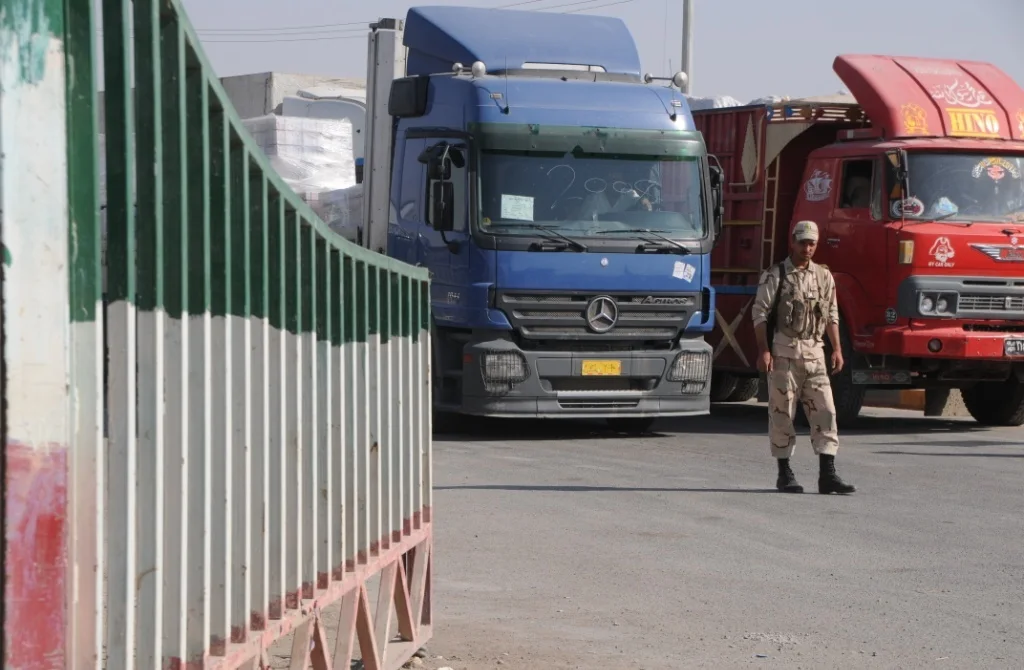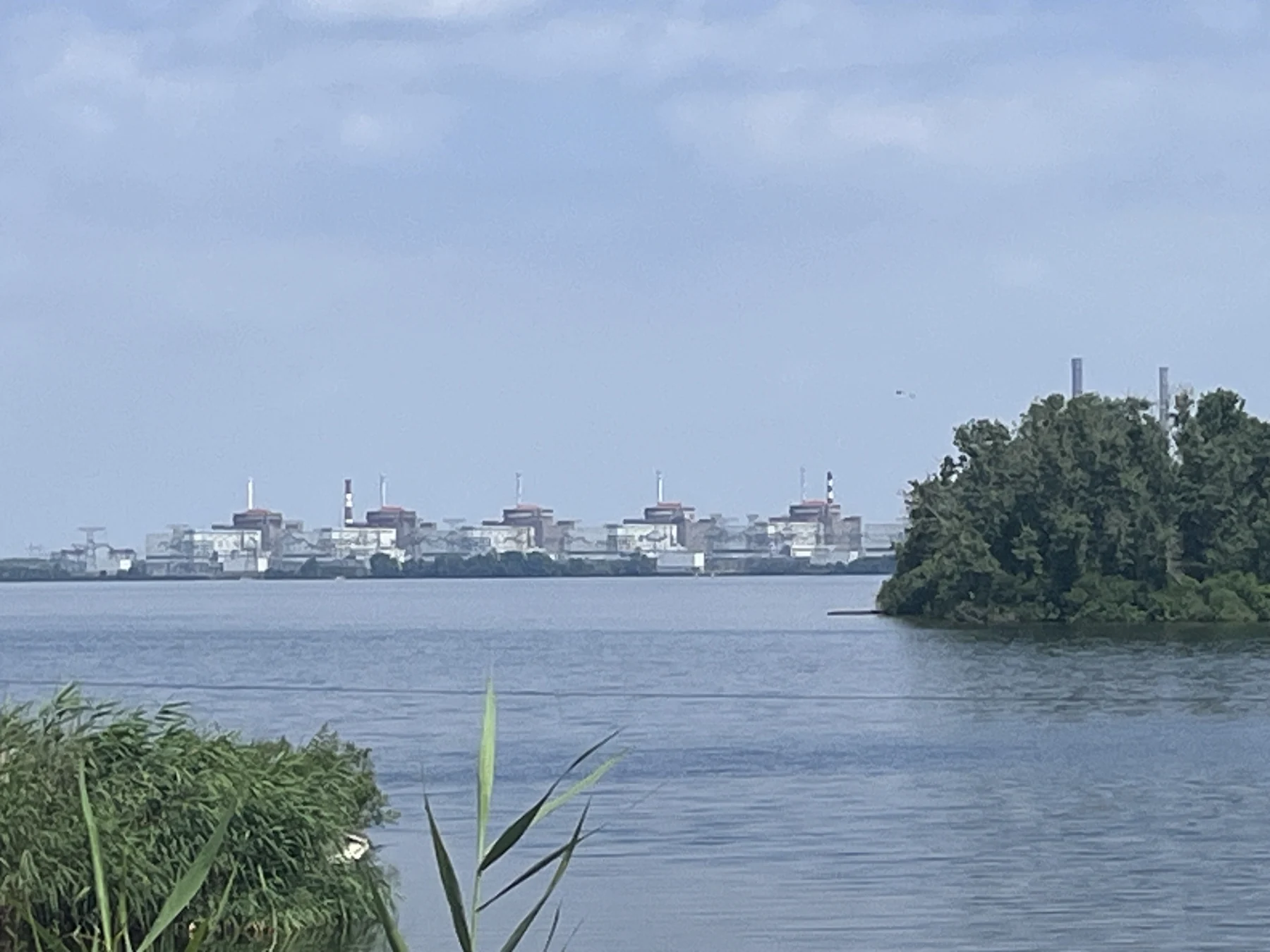
The outage was checked against the IAEA’s Nov. 8 public statement and separate Reuters and Associated Press reporting. The IAEA said the cause and location were not known; Russian-installed plant managers said an automatic protection system disconnected the line and reported normal radiation readings, claims not independently confirmed in the reporting reviewed. The IAEA said information given to its on-site team indicated fuel reserves for about two weeks of operation of a limited number of generators; this is not a guarantee for every generator or a countdown to an accident. No verified repair timetable was available. Both images are IAEA archive photographs from June 2023, not pictures of this outage.
A single line was left to carry grid power
The Russian-controlled Zaporizhzhia Nuclear Power Plant in southeastern Ukraine lost its external electricity supply early Sunday, Nov. 8, after its remaining operational connection to the Ukrainian grid disconnected. The plant is now relying on emergency diesel generators for essential safety systems, the International Atomic Energy Agency and the plant’s management said.
The disconnected line, Ferosplavna-1, was the site’s last functioning external link. The main Dniprovska line was still unavailable in the IAEA’s previous update on Oct. 23. Europe’s largest nuclear station has six reactors but is not generating electricity; it still needs power to cool nuclear fuel and maintain safety functions.
The fuel estimate is limited, not a deadline
The IAEA said information given to its team at the plant indicated that fuel reserves could operate a limited number of emergency generators for about two weeks. The estimate does not mean every generator could run for that long, nor does it establish when the grid connection will be restored.
Diesel generators are the backup supply for pumps and other equipment that continue to matter even when reactors are shut down. The IAEA has repeatedly called for stable off-site electricity and adequate fuel at the station.

The disconnection’s cause remains unknown
The IAEA said it did not yet know where or why the latest disconnection occurred. Russian-installed plant managers said an automatic protection system had shut the line because of damage and reported that radiation readings at the site and in its monitoring zone were normal. Those claims had not been independently confirmed in the reporting reviewed.
The same line was restored in early September after an IAEA-brokered local ceasefire enabled repairs, following an outage that began in August. Sunday’s loss shows how quickly the plant can again be left dependent on on-site backup power while a separate grid connection remains unavailable.
Sources
3 references
- International Atomic Energy AgencyIAEA statement on the Zaporizhzhia plant power loss, Nov. 8Primary source: says the plant lost its only remaining grid line, is relying on emergency diesel generators, and that the cause and location are unknown; the fuel estimate was relayed to the IAEA site team. · 2026-11-08
- ReutersZaporizhzhia nuclear plant relying on generators again after losing external power supplyIndependent report with IAEA and plant-management statements; describes the line disconnection, generator use, plant status and the unresolved cause. · 2026-11-08
- The Associated PressRussian drone strike hits emergency workers in southern UkraineSeparately reports that plant management said the damaged Ferosplavna line was disconnected and that diesel generators supplied power; its report notes that cooling requires electricity. · 2026-11-08